AI Ban in Norway Schools: A Major Shift in Primary Education The Government of Norway has officially decided to impose a near-complete AI ban in Norway schools for primary students. This historic announcement comes at a time when the excessive integration of generative artificial intelligence (AI) tools in classrooms is being intensely debated worldwide. The
AI Ban in Norway Schools: A Major Shift in Primary Education
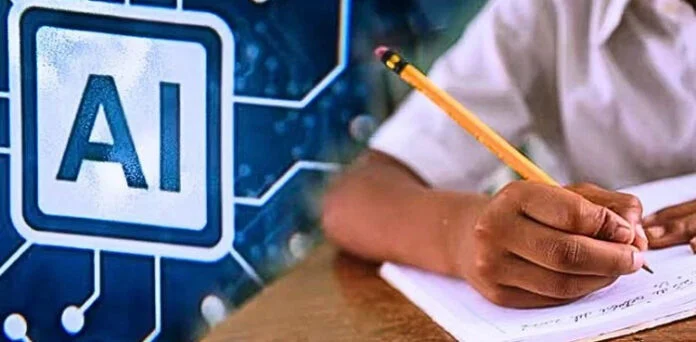
The Government of Norway has officially decided to impose a near-complete AI ban in Norway schools for primary students. This historic announcement comes at a time when the excessive integration of generative artificial intelligence (AI) tools in classrooms is being intensely debated worldwide. The primary objective behind this regulatory framework is to protect young children’s cognitive development, foundational learning skills, and natural critical thinking processes from the potential negative impacts of unchecked technology.
In this comprehensive, high-ranking guide, we will analyze why Norway took this drastic step and explore how this policy might reshape the future of global digital education.
The Driving Force Behind Norway’s AI Restrictions
 Norway’s Prime Minister, Jonas Gahr Støre, announced the new educational guidelines during a formal press conference. He expressed deep concerns over young students’ over-reliance on generative AI models like ChatGPT for basic tasks, noting that it severely hinders the initial stages of natural learning.
“The fundamental responsibility of primary schools is to teach children how to read, write, and master basic mathematics,” Prime Minister Støre stated. “Premature and unnecessary dependency on AI tools creates a barrier to mastering these core academic milestones, which are vital for their future growth.”
Age-Appropriate AI Regulations in Norwegian Schools
The newly drafted framework splits the use of artificial intelligence tools into strict age-based categories to ensure classroom discipline:
| Student Grade & Age Group | AI Usage Policy & Guidelines |
| Grades 1 to 7 (Ages 6–13) | Complete ban on all generative AI tools in classrooms. |
| Grades 8 to 10 (Ages 14–16) | Strictly limited access, solely under direct teacher supervision. |
| Higher Secondary (Ages 17–19) | Responsible AI literacy is taught to prepare them for future tech environments. |
These statutory regulations are scheduled to take effect at the start of the upcoming academic year, commencing in the final week of August.
Why an AI Ban in Norway Schools is Essential for Child Development
Over the past few years, educational experts across Scandinavia have observed a noticeable decline in students’ academic performance and exam scores. Researchers and child psychologists attribute this trend to several key factors related to early tech exposure:
Erosion of Foundational Skills: When children use AI to solve math problems or write essays, their capacity for independent thought diminishes. Physical handwriting and physical book reading are replaced by passive screen-scrolling.
Loss of Critical Thinking: Primary school students lack the cognitive maturity to fact-check AI-generated outputs. Accepting automated answers without questioning halts the growth of analytical reasoning.
Surging Screen Time: Children are already exposed to excessive screen time through smartphones and social media. Adding AI platforms to early classrooms exacerbates digital fatigue and affects mental well-being.
Returning to Traditional Textbooks from the Digital Age
Interestingly, Norway was once a pioneer in the 1990s for introducing computers and iPads extensively into early education. However, the government is now actively reversing this digital-first approach. Alongside the AI ban in Norway schools, the state has allocated special funds to reintroduce physical paper books to reduce screen dependency.
Furthermore, this policy follows Norway’s previous nationwide ban on smartphones in schools and aligns with current legislative discussions to raise the minimum age for social media usage to 16.
Global Impact: A New Era for Digital Learning
Norway’s bold move has triggered a fresh international discourse regarding the limits of digital learning and smart classrooms. Countries like Australia and several European nations are already tightening screen-time laws for minors. Educational analysts believe that if Norway’s strategy successfully improves student testing and retention, other developed nations will likely enforce similar primary school AI restrictions.
Studies from global educational watchdogs show that schools focusing on traditional reading and writing retain higher cognitive growth than tech-dependent environments. For updates on how emerging technology intersects with public policy, you can explore insights on Styleoverloaded or check detailed tech reviews on PCMag.
Conclusion and Future Outlook
In conclusion, implementing an AI ban in Norway schools for younger demographics is a timely and necessary intervention. While artificial intelligence remains an undeniable asset for the adult workforce, its unrestricted use during a child’s developmental years does more harm than good.
Moving forward, global educational systems must strike a healthy balance: rather than completely rejecting innovation, AI tools should only be introduced once a student has firmly established their core human skills. Primary education must remain rooted in books, physical writing, and human-to-human interaction to raise a self-reliant, critically thinking generation.



















Leave a Comment
Your email address will not be published. Required fields are marked with *