
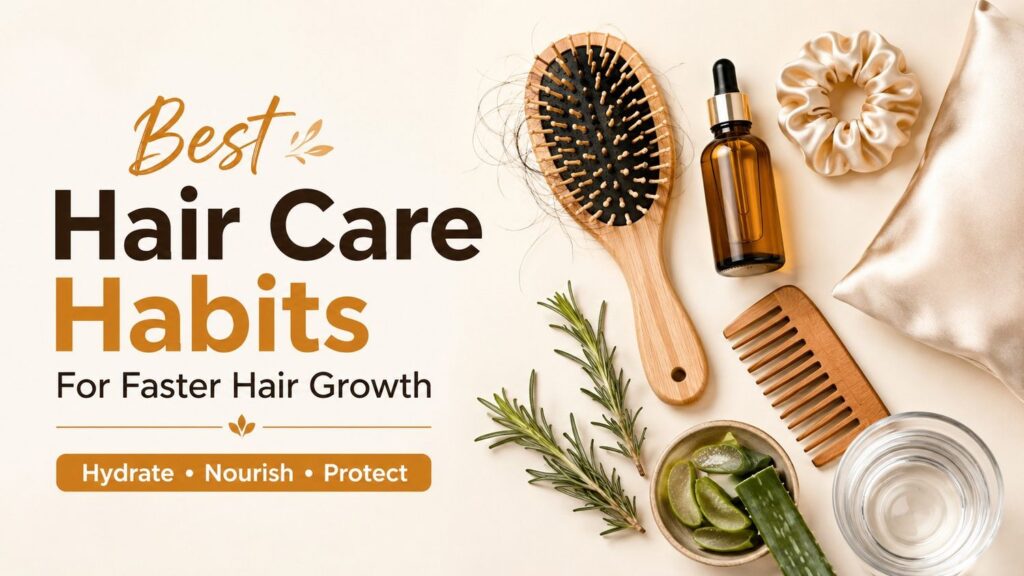
Pakistan’s heat, hard water, and humidity wreck hair in ways Western routines can’t fix. This complete guide breaks down hair types, a realistic daily and weekly routine, product picks, and real fixes for hair fall, dandruff, and frizz built specifically for Pakistani women.
The Complete Hair Care Guide for Pakistani Women (2026)
If you’ve ever stepped out of the shower with soft, shiny hair only to watch it turn frizzy, flat, or falling out in clumps by evening you’re not imagining it, and it’s not “just your hair.” It’s Pakistan.
Between hard water, relentless summer heat, monsoon humidity, dust from the commute, and diets that often run short on iron and protein, Pakistani hair is under a kind of daily stress most international hair care advice was never written for. That’s exactly why a generic routine copied from a Western YouTube tutorial rarely works here and why this guide exists.
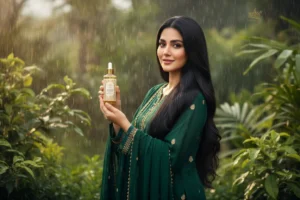 This is a complete hair care guide for Pakistani women, built specifically around local weather, water quality, and lifestyle. You’ll learn how to identify your hair type, build a realistic daily and weekly routine, choose the right products for your budget, fix common problems like hair fall and dandruff, and separate real solutions from salon-counter myths. Wherever a topic deserves a deeper dive, this guide links out to a dedicated article so you can go as deep as you need.
Why Hair Problems Are So Common in Pakistan
Before fixing anything, it helps to understand what your hair is actually up against every day.
Hard water. Most major cities Karachi, Lahore, Islamabad, Faisalabad run on water loaded with calcium and magnesium. Over weeks, this mineral buildup coats the hair shaft, stripping natural shine and making strands rough and harder to comb. A simple fix many women skip: a diluted apple cider vinegar rinse once a week, or a clarifying/chelating shampoo every 10–14 days, breaks down that buildup without needing an expensive filter.
Sun exposure. UV rays don’t just affect skin. Prolonged sun exposure breaks down the protein structure of hair, leaving it dry, weak, and prone to color fading if it’s dyed.
Humidity. Coastal cities like Karachi deal with humidity almost year-round, which causes the hair cuticle to swell and absorb moisture from the air the exact mechanism behind frizz.
Dust and pollution. A single commute through city traffic deposits fine dust on the scalp, which mixes with natural oil and can clog follicles if not washed out properly.
Low protein and iron intake. Hair is almost entirely made of a protein called keratin. Diets low in protein, iron, and biotin common in South Asia, especially among women show up first as hair thinning and slow growth.
Heat styling. Straighteners and dryers used for weddings, events, and daily routines without heat protection quietly cook the moisture out of hair over time.
Hormonal changes. Postpartum hair fall, thyroid imbalances, and PCOS are extremely common triggers for sudden hair loss in Pakistani women, and they need a different approach than everyday shedding does.
 Know Your Hair Type
 Know Your Hair Type
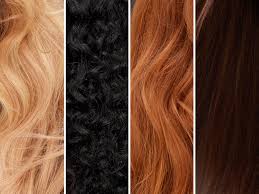
You can’t build the right routine until you know what you’re working with. Hair type is generally grouped into four categories.
Straight Hair
Shiny and smooth, but oil travels down the shaft quickly, so straight hair gets oily faster than any other type. It needs lightweight, non-greasy products and usually tolerates more frequent washing.
Wavy Hair
Sits between straight and curly, with natural movement but a tendency toward frizz at the roots and mid-lengths. Wavy hair does best with lightweight hydration that defines waves without weighing them down.
Curly Hair
Naturally drier because scalp oil struggles to travel down the curl pattern. Curly hair needs rich moisture, leave-in conditioners, and gentler, less frequent washing.
Coily Hair
The most fragile and driest hair type, prone to shrinkage and breakage. It needs heavy creams, butters, and the least manipulation possible to stay healthy.
Building Your Daily, Weekly, and Monthly Hair Care Routine
A healthy hair routine doesn’t need to be complicated it needs to be consistent. Here’s a realistic breakdown:
- Morning: Gentle detangling with a wide-tooth comb, a light serum or anti-frizz cream if you’re stepping out, and a dupatta or scarf if you’re in direct sun for long periods.
- Evening: Brush out the day’s tangles before bed, switch to a silk or satin pillowcase if you can, and loosely tie hair to reduce friction overnight.
- Weekly: Oil massage, one wash-and-condition cycle at minimum, and a treatment mask if hair feels rough or dry.
- Monthly: A clarifying shampoo wash to clear hard-water buildup, and a check on ends for split or dry tips.
The Weekly Hair Routine, Step by Step
| Step | What It Does | Frequency |
|---|---|---|
| Oil | Nourishes scalp, boosts circulation | 2–3x per week |
| Wash | Removes dirt, sweat, and product buildup | 2–3x per week |
| Condition | Seals moisture, smooths cuticle | Every wash |
| Mask | Deep repair for damage and dryness | 1x per week |
| Serum | Locks in shine, fights frizz | After every wash |
| Scalp massage | Circulation and stress relief | 2–3x per week |
How to Wash Your Hair Properly
- Detangle before you wet your hair wet strands stretch and snap more easily.
- Rinse with lukewarm, not hot, water to avoid stripping natural oils.
- Apply shampoo to the scalp only; let the lather naturally clean the lengths as it rinses down.
- Rinse thoroughly leftover shampoo residue is a common, overlooked cause of itchy scalp and dandruff.
- Apply conditioner from mid-length to ends, never the roots.
- Finish with a cool water rinse to help flatten the cuticle for extra shine.
- Pat dry with a microfiber towel or old cotton t-shirt never rub.
Hair Oiling Guide
Oiling is one of the most trusted rituals in Pakistani hair care, and for good reason it genuinely improves scalp circulation and reduces breakage when done correctly. The mistake most women make is leaving oil in overnight in a dusty environment, which can trap grime against the scalp and clog follicles instead of nourishing them. Two to four hours is usually enough for the oil to absorb.
Coconut oil, olive oil, almond oil, and mustard oil are all popular locally, and each suits different hair needs coconut oil for penetration and shine, mustard oil for stimulating growth, and lighter oils like almond for fine or straight hair that gets weighed down easily.
→ For a full product-by-product breakdown, see our guide to the Best Hair Oils in Pakistan.
How to Choose the Right Shampoo

Look for sulfate-free formulas, especially if your hair is color-treated, dry, or curly sulfates are effective cleansers but strip away the natural oils your scalp needs. If you’re dealing with hard water, a shampoo with chelating or clarifying properties used once every two weeks makes a noticeable difference in shine and manageability. Oily scalps benefit from a gentle daily-use formula; dry or curly hair does better with a moisture-rich, sulfate-free option used less frequently.
→ Compare specific formulas in Best Shampoo for Hair Fall in Pakistan.
Hair Conditioner Guide
Conditioner is the step most women skip and the one that quietly matters most. It replenishes the moisture shampoo removes, smooths the outer cuticle layer, and makes detangling far less damaging. Apply it strictly to mid-lengths and ends; on the scalp, it can weigh down roots and contribute to a greasy look faster.
→ See our full picks in Best Conditioners for Pakistani Hair.
Hair Serums Explained
A serum is the finishing step that protects everything you’ve just done in the shower. After washing, the hair cuticle sits open and vulnerable — a few drops of serum on damp mid-lengths and ends seal it shut, cutting down frizz from humidity and adding shine without grease. It also forms a light barrier against heat styling tools.
→ Explore options in Best Hair Serums in Pakistan.
Hair Masks: DIY and Store-Bought
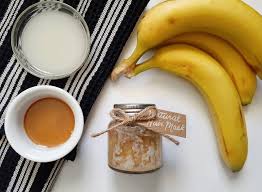 Think of a hair mask as conditioner’s more intense cousin used once a week, not daily. Store-bought masks with keratin, argan oil, or shea butter work well for chemically treated or heat-damaged hair. If you prefer natural options, two combinations are especially popular and effective locally:
- Egg + yogurt mask: protein-rich, strengthens weak strands, great before a wash day.
- Banana + honey mask: deeply moisturizing, ideal for dry or frizzy hair in winter.
Leave either on for 20–30 minutes before shampooing as usual.
→ Full formulas and store-bought comparisons in Best Hair Masks for Pakistani Hair.
Foods That Help Hair Growth
Hair care doesn’t stop at the shower. What you eat directly determines how fast and how strong your hair grows:
- Protein (eggs, lentils, chicken) — the literal building block of hair.
- Iron (spinach, red meat, chickpeas) — low iron is one of the most common, most overlooked causes of hair fall in Pakistani women.
- Biotin (eggs, nuts, whole grains) — supports keratin production.
- Omega-3s (fish, flaxseed, walnuts) — keeps the scalp hydrated from within.
- Vitamin D (sunlight, fortified milk, eggs) — deficiency is widespread in Pakistan and closely linked to hair thinning.
→ Full meal ideas in Best Foods for Hair Growth.
Routine Based on Your Hair Concern
Hair type (straight, wavy, curly, coily) is about structure. Hair concern is about condition — and it changes how often and what you should use.
Hair care for oily scalp: Wash 3 times a week with a gentle, non-creamy shampoo. Skip heavy oils and leave-in creams near the roots, and apply conditioner strictly to the ends.
Hair care for dry hair: Wash only 2 times a week to avoid stripping what little natural oil you have. Prioritize a weekly deep-conditioning mask, and don’t skip a leave-in conditioner or serum after every wash.
Common Hair Problems in Pakistani Women
Each of these deserves and gets its own dedicated deep-dive, but here’s the short version of what causes each and where to go next.
- Hair Fall: Often triggered by stress, iron deficiency, or harsh products. → Hair Fall Causes
- Postpartum Hair Fall: A hormonal shift after childbirth causes noticeable shedding around 3–6 months postpartum. It’s temporary for most women, but the right scalp care speeds recovery. → Hair Fall After Pregnancy
- Dandruff: Usually fungal or dryness-related, not the same problem, and not the same treatment. → Dandruff Treatment
- Split Ends: A sign of overdue trims and unprotected heat styling. Trims every 6–8 weeks prevent it from creeping further up the shaft.
- Frizz: Humidity plus a raised cuticle. Anti-humidity serums and cooler rinse water both help.
- Oily Scalp: Overproduction of sebum, often made worse by over-washing or touching hair frequently.
- Dry Hair: Lack of moisture from hard water, heat, or over-washing.
- Grey Hair: Partly genetic, but also linked to stress and nutrient deficiencies like B12.
- Hair Thinning: Can stem from hormonal shifts, PCOS, thyroid issues, or chronic tight hairstyles.
- Traction Alopecia: A quietly common issue caused by tight hijab pins, ponytails, and buns pulling on the hairline repeatedly. Loosening styles and rotating parting patterns prevents long-term damage. → Hair Care Mistakes
 Salon Treatments Worth Considering
 Salon Treatments Worth Considering
For deeper repair than at-home products can manage, salon treatments are worth understanding before you book one:
- Keratin Treatment: Smooths frizz and reduces styling time for months, though it temporarily coats rather than repairs hair.
- Hair Botox: A lighter, formaldehyde-free alternative to keratin that adds shine and softness without heavy chemical smoothing.
- Protein Treatment: Rebuilds strength in over-processed or heat-damaged hair.
- PRP (Platelet-Rich Plasma): A dermatological treatment for hair thinning that uses your own blood plasma to stimulate follicles — increasingly popular in Pakistani clinics for genetic or hormonal hair loss.
- Laser Therapy: Low-level laser treatment used to stimulate circulation in thinning areas; results take months of consistent sessions.
Busting Common Pakistani Hair Myths
“Oiling makes hair grow overnight.” Oil nourishes the scalp and can strengthen roots over time, but no product changes your hair’s growth rate in a single night.
“Cutting your hair makes it grow back thicker.” Hair thickness is determined at the follicle, under the scalp — trimming only affects the ends you can see.
“Shampoo causes hair loss.” What you’re usually seeing is normal daily shedding (50–100 strands is typical) becoming visible in the shower, not shampoo-induced fall.
“Henna damages hair.” Pure henna is actually one of the gentler, more strengthening options compared to chemical dyes — the damage usually comes from mixed-in additives in low-quality products, not henna itself.
 The Hair Care Products Checklist
 The Hair Care Products Checklist
A complete but realistic kit looks like this:
- Sulfate-free shampoo
- Conditioner
- Weekly hair mask
- Nourishing hair oil
- Lightweight serum
- Wide-tooth comb
- Silk or satin pillowcase
- Heat protectant spray
How Long Does It Take to See Results?
Hair grows an average of about 1.25 cm per month, so patience matters more than product-hopping. Give any new routine at least 4–6 weeks before judging it scalp health improves first, followed by texture, and visible length gains only become obvious after two to three months of consistency.
Frequently Asked Questions
1. What is the best hair care routine for Pakistani women? A routine built around your specific hair type and local conditions: gentle sulfate-free cleansing 2–3 times a week, conditioning every wash, weekly oiling and masking, and consistent heat and sun protection.
2. How can I stop hair fall naturally in Pakistan? Focus on iron and protein rich meals, reduce tight hairstyles, oil your scalp regularly, and switch to a gentle, sulfate-free shampoo. If shedding is sudden or heavy, a dermatologist visit rules out thyroid or hormonal causes.
3. How often should I wash my hair in Pakistan’s climate? Most hair types do best washed 2–3 times a week. Oily scalps can go slightly more often; dry or curly hair benefits from washing less.
4. Is hard water really damaging my hair? Yes, mineral buildup from hard water roughens the hair shaft over time. A weekly diluted apple cider vinegar rinse or a clarifying shampoo every two weeks counters it effectively.
5. What’s the best hair oil for Pakistani hair? It depends on your hair type: coconut oil for shine and penetration, mustard oil for stimulating growth, and lighter oils like almond for fine or straight hair.
6. Does oiling hair overnight help or harm it? Two to four hours is usually enough. Overnight oiling in a dusty environment can trap grime against the scalp rather than help it.
7. How can I control frizz in humid weather? Use an anti-frizz serum on damp hair, finish rinses with cool water, and avoid brushing dry hair detangle before washing instead.
8. Is henna good or bad for hair? Pure henna is a gentle, strengthening option and a safer alternative to chemical dyes. Just check that the product doesn’t contain harsh added chemicals.
9. What causes sudden hair fall after pregnancy? A drop in estrogen after childbirth pushes more hair into the shedding phase at once. It’s usually temporary and improves within 6–12 months with gentle scalp care.
10. Can tight hijab pins or buns cause hair loss? Yes, repeated tension on the same section of hairline can lead to traction alopecia over time. Rotating parting styles and loosening pins reduces the risk.
11. What foods help hair grow faster? Protein, iron, biotin, omega-3s, and vitamin D all directly support hair growth eggs, lentils, spinach, fish, and nuts are easy staples to include.
12. Are keratin treatments safe for regular use? Occasional keratin treatments (every 3–4 months) are generally safe, but overuse without proper aftercare products can dry out hair over time.
13. What’s the difference between hair serum and hair oil? Oil nourishes the scalp and is meant to be washed out; serum is a lightweight, leave-in product applied to damp or dry ends for shine and frizz control.
14. How can I tell if I have a dry or oily scalp? Oily scalps feel greasy and flat within a day of washing; dry scalps feel tight, flaky, or itchy, especially in winter.
15. Does trimming hair regularly help it grow faster? Not directly, but it prevents split ends from traveling up the shaft and breaking off, which keeps your length looking fuller and healthier over time.
16. What is the best diet for reducing hair fall in Pakistani women? A diet rich in iron, protein, and vitamin D — since deficiencies in all three are common locally and directly linked to hair thinning and shedding.
17. Is PRP treatment effective for hair loss in Pakistan? PRP shows good results for genetic and hormonal hair thinning when done consistently over several sessions, though results vary by individual and cause.
18. How do I build a hair care routine on a budget? Start with the essentials a sulfate-free shampoo, conditioner, and one oil and add a serum or mask only once those basics are consistent. Consistency matters far more than the number of products.
Read more: Best Shampoo for Hair Fall in Pakistan 2026 | Complete Guide With Real Results






















Leave a Comment
Your email address will not be published. Required fields are marked with *