
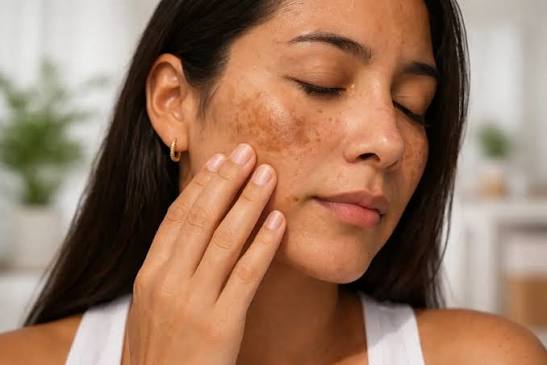
Hyperpigmentation comes from excess melanin due to sun, acne, or hormones.
Proven ingredients help but sunscreen is non-negotiable.
Dark spots, uneven patches, marks left behind after a breakout hyperpigmentation is one of the most common skin concerns worldwide, and also one of the most misunderstood. A quick search turns up dozens of kitchen-remedy lists, most repeating the same handful of ingredients without explaining why they work, whether they’re actually backed by research, or how results can differ depending on your skin tone. This guide covers what’s actually behind hyperpigmentation, which natural remedies have real evidence supporting them, and what to know if you have deeper or melanin-rich skin a detail most guides skip entirely.
Quick answer: Hyperpigmentation is caused by excess melanin production, usually triggered by sun exposure, inflammation (like acne), or hormonal changes. Natural remedies such as niacinamide, licorice root extract, green tea, and azelaic acid have clinical research supporting their use, while others like lemon juice are popular but come with real risks if used incorrectly. Most natural approaches take 2 to 6 months of consistent use to show visible results, and daily sunscreen is essential for any of them to work.
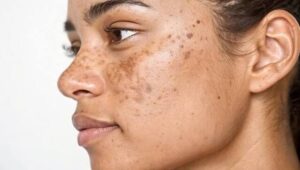
close up of skin showing hyperpigmentation and dark spot on the chick
Hyperpigmentation can affect any skin tone, though it often shows up and heals differently depending on melanin levels.
What Is Hyperpigmentation and What Causes It?
Hyperpigmentation happens when certain areas of skin produce more melanin the pigment responsible for skin color than the surrounding area, resulting in patches that appear darker than your natural tone. It isn’t one single condition; it’s an umbrella term covering several distinct causes, and knowing which type you’re dealing with matters because they don’t all respond to treatment the same way.
Post-Inflammatory Hyperpigmentation (PIH)
This type develops after the skin heals from inflammation or injury most commonly acne, but also cuts, burns, or irritation from harsh skincare products. The dark marks left behind after a pimple clears are a textbook example. PIH tends to respond well to consistent natural treatment over time, since it’s a temporary overproduction of melanin rather than a deeper structural issue.
Melasma
Melasma appears as larger, often symmetrical patches, typically across the cheeks, forehead, or upper lip, and is closely tied to hormonal changes — pregnancy, birth control, or hormone therapy are common triggers. Melasma is notoriously more stubborn than other forms of hyperpigmentation and frequently requires a combination of consistent sun protection, topical treatment, and patience; some cases benefit from a dermatologist’s input rather than home remedies alone.
Age Spots and Sun Spots
These develop from cumulative, long-term sun exposure and typically appear as small, well-defined patches on frequently sun-exposed areas like the face, hands, and shoulders. Unlike PIH, they build up gradually over years, which also means fading them naturally tends to take longer.
Does Hyperpigmentation Go Away on Its Own?
Sometimes, but the timeline varies enormously depending on the type and depth of pigmentation. Surface-level marks, especially from a single breakout, can fade within a few months as skin naturally renews itself. Deeper pigmentation the kind that’s had years to build up, or melasma driven by ongoing hormonal factors can take considerably longer, and some cases may never fully resolve without active treatment. If your skin tone is naturally deeper, dark marks can also take visibly longer to fade than they would on lighter skin, simply because there’s more melanin involved in the same healing process.
Natural Remedies for Hyperpigmentation, Backed by Real Research
Most articles on this topic repeat the same list of kitchen ingredients without ever checking whether there’s real evidence behind them. A clinical literature review published on PubMed actually examined this question directly, screening decades of research on natural ingredients used for hyperpigmentation and melasma. The findings singled out several ingredients as showing genuine, evidence-supported effectiveness as skin-lightening agents, even while noting that clinical research in this space overall remains limited. Here’s what’s worth prioritizing, based on that evidence, alongside the popular remedies that are more folklore than proof.
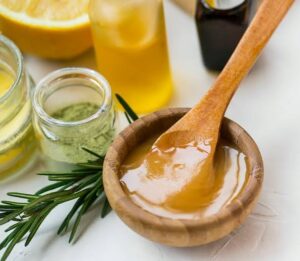
natural skin care ingredient including turmeric, aloe vera, and green tea for pigmentation
Turmeric, aloe vera, and green tea are among the natural ingredients with genuine research behind their skin-brightening effects.
Niacinamide
Niacinamide (vitamin B3) is one of the better-studied natural compounds for hyperpigmentation. It works by interrupting the transfer of pigment to the skin’s surface layer, and it has the added benefit of supporting the skin barrier rather than irritating it, which makes it one of the gentler options on this list.
Licorice Root Extract
The active compound in licorice root, glabridin, works by inhibiting the enzyme responsible for melanin production. It’s considered one of the more reliably effective botanical ingredients for evening out skin tone, and it’s gentle enough for regular use.
Green Tea Extract
Green tea’s active compounds (catechins, including EGCG) have antioxidant properties that help reduce melanin production while also protecting skin from further UV-related damage making it useful both as a treatment and a preventive step.
Azelaic Acid
Though often overlooked in home-remedy lists because it’s less “kitchen ingredient” than the others, azelaic acid is naturally derived from grains like wheat and barley and has some of the strongest research support of any natural-origin ingredient for treating hyperpigmentation, including melasma.
Aloe Vera
Aloe vera contains aloin, a compound with documented skin-lightening properties, alongside soothing benefits that make it a good option for sensitive or irritated skin. Apply the pure gel directly to affected areas.
Turmeric
Turmeric’s active compound, curcumin, has anti-inflammatory and mild skin-brightening properties. It’s typically used as a mask, mixed with a base like yogurt or honey. Note that turmeric can temporarily stain lighter skin tones yellow, so it’s worth doing a small test area first.
Vitamin C
Widely available in citrus fruits and leafy greens, vitamin C plays a role in collagen production and offers antioxidant protection against UV damage, which indirectly helps prevent further pigmentation from forming.
A caution on lemon juice and apple cider vinegar: these are two of the most commonly recommended “natural” remedies online, but they’re also the two that carry the most real risk. Both are acidic enough to cause irritation, and citrus juice in particular can trigger a phototoxic reaction that actually worsens dark spots if skin is exposed to sunlight afterward. If you choose to try either, always dilute heavily, patch-test on a small area first, and never apply before sun exposure.
Hyperpigmentation on Deeper Skin Tones: What’s Different
This is the part most hyperpigmentation guides skip entirely, despite it being one of the most searched aspects of the topic. Melanin-rich skin doesn’t just show hyperpigmentation differently it responds to treatment differently too. A few things worth knowing:

diverse group of people with different skin tones representing hyperpigmentation presentation
Hyperpigmentation and its treatment can look different depending on skin tone a detail most guides leave out.
- Marks can appear darker and more visible on deeper skin tones simply because there’s more melanin available to overproduce in the first place.
- Certain treatments carry a higher risk of rebound pigmentation on deeper skin meaning a harsh or irritating remedy can trigger new dark marks as the skin heals from the irritation itself. This is exactly why gentle ingredients like niacinamide and licorice extract are generally safer starting points than aggressive acids or undiluted citrus.
- Fading can take visibly longer, which is normal and not a sign that a remedy isn’t working consistency matters more than speed.
- Sun protection matters even more. It’s a myth that deeper skin tones don’t need sunscreen; UV exposure is one of the biggest drivers of hyperpigmentation regardless of skin tone, and unprotected sun exposure can undo months of progress.
Natural Remedies vs. Professional Treatment: Which Should You Choose?
Natural remedies are gentler, more affordable, and lower-risk, but they work more slowly and are generally better suited to surface-level pigmentation like early post-acne marks. Professional treatments chemical peels, prescription retinoids, or laser treatment from a dermatologist tend to work faster and are usually the better option for stubborn melasma or deep, long-standing sun damage. For most people, the most realistic approach combines both: natural, consistent daily care as a foundation, with professional treatment considered for pigmentation that doesn’t respond after several months.
How Long Does It Take for Hyperpigmentation to Fade Naturally?
Realistic expectations matter here, since most natural remedies simply don’t work overnight despite what some product marketing implies. Surface-level marks can start showing improvement within 4 to 6 weeks, but noticeable, meaningful fading typically takes 2 to 6 months of consistent use. Deeper pigmentation, melasma, or long-standing sun damage can take considerably longer sometimes a year or more — and in some cases won’t fully resolve without professional intervention. Consistency and daily sun protection matter more than any single ingredient.
Prevention: Sunscreen Is Non-Negotiable
No natural remedy on this list will work well or work at all without daily sun protection. UV exposure is one of the primary drivers of new hyperpigmentation and will actively work against any treatment you’re using. This applies to every skin tone; the outdated idea that deeper skin doesn’t burn or doesn’t need SPF is a myth that leads directly to more, not less, pigmentation over time.
A Simple Natural Hyperpigmentation Routine
Rather than layering every ingredient above at once, a simpler, more consistent routine tends to work better and reduces the risk of irritation. A reasonable starting structure looks like this:
- Morning: Gentle cleanser, a serum containing niacinamide or licorice root extract, moisturizer, and most importantly broad-spectrum sunscreen (SPF 30 or higher).
- Evening: Gentle cleanser, followed by your chosen treatment (green tea extract, azelaic acid, or a turmeric mask two to three times a week), then a hydrating moisturizer to support the skin barrier.
- Weekly: One gentle exfoliation session, since built-up dead skin cells can make pigmentation look more pronounced and slow down how quickly treated skin renews itself. Over-exfoliating, however, can trigger more irritation and more pigmentation, so once or twice a week is generally enough.
The goal isn’t to use every ingredient at once it’s to pick one or two that suit your skin, apply them consistently for at least two months, and protect the results with daily sunscreen.
Common Mistakes That Make Hyperpigmentation Worse
A few habits show up repeatedly in home routines and tend to slow progress or actively worsen pigmentation:
- Skipping sunscreen on cloudy days or when staying indoors near windows. UV rays pass through clouds and glass, and inconsistent sun protection is one of the most common reasons natural treatments appear to “not work.”
- Combining too many active ingredients at once. Layering vitamin C, retinol-adjacent actives, and acidic remedies like lemon juice in the same routine often causes irritation, which can trigger new post-inflammatory marks rather than fading old ones.
- Picking at acne or breakouts. This is one of the leading causes of post-inflammatory hyperpigmentation in the first place, and it resets the healing process each time it happens.
- Expecting overnight results. Melanin production and skin renewal are biological processes that take weeks, not days switching remedies every few days rarely gives any single ingredient a fair chance to work.
- Using undiluted acidic ingredients directly on skin. As noted above, both lemon juice and apple cider vinegar need to be diluted; used at full strength, they’re more likely to cause a new injury (and therefore new pigmentation) than to fade an existing one.
Read more:
- Oribe Shampoo Recall 2026: Check Your Lot Number Before You Use It Again
Cloud Skin: The Viral 2026 Beauty Trend That’s Replacing Glass Skin
Frequently Asked Questions about Hyperpigmentation:
Is lemon juice safe for hyperpigmentation?
It can help lighten dark spots due to its vitamin C content, but it’s also acidic enough to irritate skin and can cause a phototoxic reaction if applied before sun exposure. If used at all, it should be heavily diluted, patch-tested, and only applied at night.
Can hyperpigmentation be cured permanently?
Some types, especially post-inflammatory marks from a single breakout, can fade completely. Others, like melasma, tend to be more chronic and can return with sun exposure or hormonal changes even after successful treatment, which is why ongoing sun protection matters long after marks have faded.
What deficiency causes hyperpigmentation?
Hyperpigmentation itself isn’t caused by a single nutrient deficiency, though vitamin deficiencies (such as B12) have been associated with certain pigmentation changes in some cases. The far more common triggers are sun exposure, inflammation, and hormonal shifts rather than diet alone.
Does sunscreen prevent hyperpigmentation?
Yes, daily sunscreen is one of the most effective preventive steps available, since UV exposure is a leading cause of both new pigmentation and the worsening of existing marks for every skin tone, not just lighter ones.
Does hyperpigmentation look different on dark skin vs. light skin?
Yes. On deeper skin tones, marks can appear more prominent due to higher melanin levels, may take longer to fade, and carry a higher risk of new pigmentation forming if treated with harsh or irritating products rather than gentle, consistent care.
Final Word
Hyperpigmentation is manageable, but it responds best to patience, consistency, and the right ingredients for your skin rather than whatever remedy is trending. If you’re trying a natural approach, prioritize ingredients with real research behind them niacinamide, licorice root extract, azelaic acid, and green tea are a safer, more evidence-backed starting point than acidic kitchen remedies like undiluted lemon juice. And whatever routine you choose, daily sunscreen is what determines whether it actually works.
This article is for general information and isn’t a substitute for professional medical advice. If you have persistent, severe, or rapidly changing pigmentation, consult a dermatologist to rule out underlying causes.
For readers who want to go deeper into the clinical research behind these ingredients, this peer-reviewed review of natural treatments for hyperpigmentation breaks down the evidence for each one in detail.






















Leave a Comment
Your email address will not be published. Required fields are marked with *