
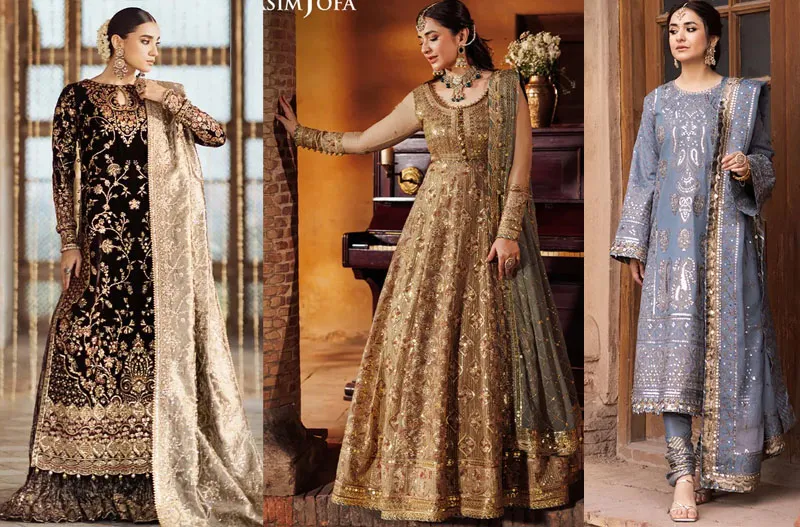
Lehenga, sharara, or gharara which one actually suits your event? Here’s a clear, no-fluff comparison of silhouette, comfort, and occasion so you can decide with confidence.
Lehenga vs Sharara vs Gharara: Which One Should You Wear?
Three outfits keep coming up in every wedding shopping conversation: lehenga, sharara, and gharara.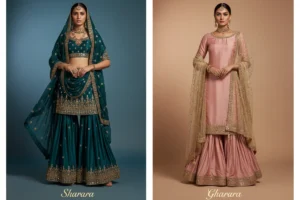 They’re all flared, all traditional, and from a distance, easy to mix up but the silhouette, comfort level, and occasion each one suits are genuinely different. Getting this right matters more than it seems, since the wrong pick can mean spending a twelve-hour Mehndi function unable to sit comfortably, or showing up to a Nikah in something too casual for the moment.
Here’s a clear breakdown of each outfit, a straight comparison of the three, and a simple way to decide which one is right for your event.
Table of Contents
- What Is a Lehenga?
- What Is a Sharara?
- What Is a Gharara?
- Quick Comparison Table
- Fabric & Embellishment Guide
- Before You Buy or Rent
- Which One Should You Choose?
- 2026 Bridal Trends
- FAQs
What Is a Lehenga?
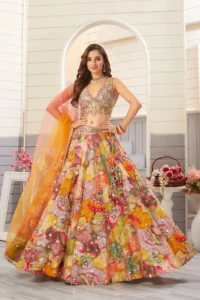
A lehenga is a three-piece outfit made up of a heavily flared skirt, a fitted blouse (choli), and a dupatta. It’s the most recognized bridal silhouette across South Asia and remains the default choice for Baraat and reception looks, generally associated with Rajasthani and Mughal-era craftsmanship traditions.
Pros: Elegant and dramatic, creates a distinctly royal bridal look, available in a wide range of fabrics like velvet, silk, organza, and net.
Cons: Can be heavy to wear for long hours, generally the most expensive of the three, and less practical if you need to move around a lot.
Best for: Bridal Baraat, wedding reception, engagement ceremony, and other high-formality events.
What Is a Sharara?
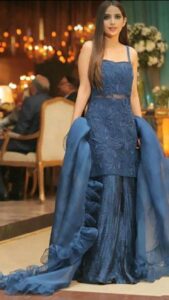
A sharara is a pair of wide-legged trousers that flare out starting from the waist, paired with a short or long kameez and a dupatta. Because the flare begins so high, it’s widely considered the most comfortable of the three traditional silhouettes.
Pros: Easy to move and dance in, noticeably lighter than a lehenga, and versatile enough to dress up or down depending on embellishment.
Cons: Reads as less formal than a bridal lehenga, and doesn’t quite deliver the same dramatic, sweeping bridal effect.
Best for: Mehndi functions, Eid celebrations, Dholki events, and wedding guest looks where you’ll be on your feet for hours.
What Is a Gharara?
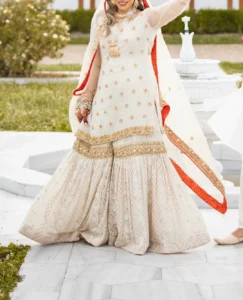
A gharara features fitted trousers from the waist to the knee, with a seam at the knee where the fabric flares out dramatically. It originates from Lucknow’s Awadhi royal culture and has stayed a symbol of heritage elegance ever since.
Pros: Rich traditional detailing — gota work, zardozi, and handcrafted embroidery are common — with a distinctly regal, unique silhouette.
Cons: Slightly less comfortable than a sharara because of the fitted upper leg, and needs careful tailoring to sit properly at the knee seam.
Best for: Nikah ceremonies, traditional weddings, and cultural or formal family occasions.
Quick Comparison Table
| Feature | Lehenga | Sharara | Gharara |
|---|---|---|---|
| Bottom style | Flared skirt | Wide flared pants from the waist | Fitted pants flaring at the knee |
| Traditional origin | Rajasthan & Mughal India | Mughal era | Lucknow (Awadhi culture) |
| Comfort level | Moderate | High | Moderate |
| Best for | Bridal wear | Mehndi, Eid, festive events | Nikah, traditional weddings |
| Ease of movement | Easy | Very easy | Slightly restricted |
| Typical styling | Choli + dupatta | Short/long kameez + dupatta | Short kameez + dupatta |
Fabric & Embellishment Guide
The fabric and embellishment you choose affects comfort just as much as the silhouette itself.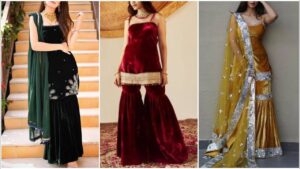
- Velvet and raw silk give the heaviest, most luxurious drape stunning for a lehenga, but worth avoiding for outdoor or all-day events unless you’re prepared for the weight.
- Chiffon and organza are lighter, breathable options increasingly used across all three outfits, especially popular for daytime Mehndi and Nikah functions.

- Gota work and zardozi are the traditional embellishments most associated with gharara detailing, giving it that regal, heritage finish.
- Mirror work and pearl embellishments are trending across shararas and lighter lehengas alike, adding festive shine without the heaviness of dense embroidery.
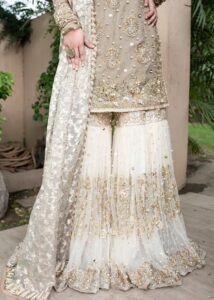
If comfort is a real concern for a long event, ask about the fabric weight before the design — a beautifully embroidered outfit in a heavy fabric will still feel restrictive by hour six.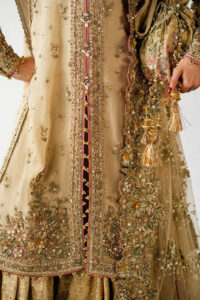
Quick Considerations Before You Buy or Rent
A few practical questions worth answering before committing to any of the three:
- How many hours will you actually be wearing it? Outdoor Baraats and long Mehndi functions favor lighter fabrics regardless of silhouette.
- Will you need to sit on the floor at any point, common at traditional Nikah ceremonies? A gharara’s fitted knee can make this less comfortable than a sharara.
- Is this a one-time wear or something you’ll want to re-style for a future event? Simpler, less trend-specific embellishment tends to age better for repeat wear.
Which One Should You Choose?
Choose a lehenga if you’re the bride, want a grand and luxurious look, and the event is highly formal.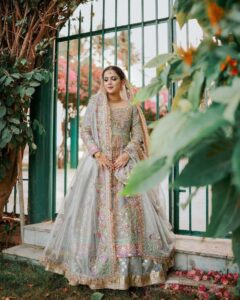
Choose a sharara if comfort is the priority, you want freedom to move and dance, and you’re headed to an Eid, Mehndi, or festive party.
Choose a gharara if you’re drawn to heritage fashion, you’re attending a Nikah or cultural wedding, and you want a sophisticated, traditional silhouette.
2026 Bridal Fashion Trends
A few directions are shaping Pakistani bridal fashion this year: soft pastel colour palettes alongside the traditional reds and golds, floral and mirror-work embroidery, organza dupattas for a lighter finish, pearl embellishments, and an overall shift toward minimalist luxury — rich detailing without the outfit feeling heavy. Lightweight fabric choices are increasingly popular across all three silhouettes too, largely driven by brides wanting to stay comfortable through long, multi-event wedding celebrations.
Frequently Asked Questions
1. What is the actual difference between a sharara and a gharara? The difference comes down to where the flare starts. A sharara flares from the waist, making it wide and loose through the entire leg. A gharara stays fitted from the waist to the knee, then flares dramatically at a seam right at the knee.
2. Which is more comfortable, sharara or gharara? A sharara is generally more comfortable, since the flare starting at the waist allows much easier movement compared to a gharara’s fitted upper leg.
3. Can a bride wear a sharara instead of a lehenga? Yes. Bridal shararas with heavy embellishment are increasingly popular, especially for Nikah and Mehndi functions, for brides who want a more comfortable alternative to a traditional lehenga.
4. Is a gharara considered Pakistani or Indian traditional wear? Both the gharara traces back to Lucknow’s Awadhi royal culture and is worn across both Pakistani and North Indian traditional fashion, particularly for formal celebrations.
5. What should I wear to a Pakistani wedding as a guest? A sharara is usually the most practical guest option, since it balances a festive, elegant look with the comfort needed for a long event. A lightly embellished gharara also works well for more formal functions like a Nikah.
6. Which outfit is best for Eid? A sharara is generally the top pick for Eid, since it combines festive styling with all-day comfort.
7. Is a lehenga too heavy for a full-day wedding event? It can be, especially for outdoor or long Baraat celebrations. Many brides now opt for lighter fabrics like organza or a raw silk blend specifically to manage this.
Final Verdict
There’s no single “best” outfit here — only the best fit for your event. A lehenga delivers the grandest, most traditional bridal look. A sharara offers the most comfort and versatility for long celebrations. A gharara brings unmatched heritage elegance for Nikah and formal cultural events. Matching the outfit to the occasion, rather than picking whichever looks best in isolation, is what actually makes the final decision easy.
Related reads to explore next:










Leave a Comment
Your email address will not be published. Required fields are marked with *