
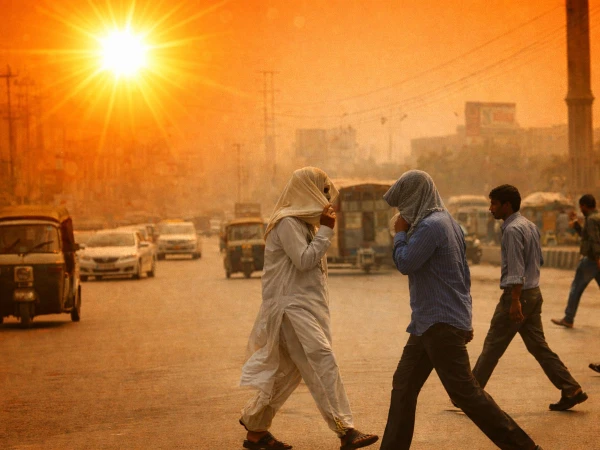
Essential Summer Health Tips for Pakistanis: Beat the heat Safely Summer in Pakistan brings intense heat, with temperatures in cities like Karachi, Multan, Sukkur, and parts of Sindh and Balochistan regularly crossing 40°C, and occasionally pushing past 45°C during peak heatwave periods. With meteorological forecasts pointing to above-normal temperatures continuing through the season, taking simple
Essential Summer Health Tips for Pakistanis: Beat the heat Safely
Summer in Pakistan brings intense heat, with temperatures in cities like Karachi, Multan, Sukkur, and parts of Sindh and Balochistan regularly crossing 40°C, and occasionally pushing past 45°C during peak heatwave periods. With meteorological forecasts pointing to above-normal temperatures continuing through the season, taking simple but effective precautions can make the difference between a safe summer and a serious health emergency. Here are the essential health tips every household in Pakistan should keep in mind.
Stay Ahead of Dehydration
Dehydration is one of the most common and most preventable summer health risks. The body loses fluids quickly through sweat in high heat, so it’s important to drink water consistently throughout the day rather than waiting until you feel thirsty. Carrying a water bottle when heading outdoors, and increasing fluid intake further if you’re physically active or spending extended time outside, helps maintain hydration levels and prevents fatigue, dizziness, and headaches associated with mild dehydration.
Recognize the Warning Signs of Heatstroke
Heatstroke is a serious medical emergency that becomes more common during Pakistan’s hottest months. Warning signs include a body temperature above 40°C, confusion or slurred speech, rapid heartbeat, nausea, and in some cases, the absence of sweating despite the heat. If you or someone nearby shows these symptoms, it’s important to move to a cool, shaded area immediately, apply cool water or ice packs to the skin, and seek emergency medical attention without delay, as heatstroke can become fatal if not treated quickly.
Time Outdoor Activities Wisely
Direct sun exposure during the hottest part of the day typically between noon and 4 PM significantly increases the risk of heat-related illness. Where possible, schedule outdoor errands, exercise, or manual labor for early morning or evening hours when temperatures are comparatively lower. Wearing light-colored, loose-fitting cotton clothing also helps the body regulate temperature more effectively than darker, tighter fabrics.
Protect Vulnerable Family Members
Children, elderly individuals, and people with chronic health conditions are at greater risk during extreme heat. Make sure elderly family members have easy access to fluids and stay in well-ventilated or air-conditioned spaces during peak heat hours. Never leave children or pets unattended in parked vehicles, even briefly, as temperatures inside a closed car can rise to dangerous levels within minutes.
Be Mindful of Food Safety in Hot Weather
High temperatures accelerate bacterial growth in food, increasing the risk of food poisoning during summer months. Avoid leaving cooked food at room temperature for extended periods, refrigerate leftovers promptly, and be cautious with street food during the hottest months when proper refrigeration isn’t always guaranteed. Drinking boiled or filtered water, rather than water from uncertain sources, also reduces the risk of waterborne illnesses that tend to spike during summer.
Manage Power Outages Safely
Frequent load shedding during peak summer months can make it harder to stay cool, particularly for households without backup power. Keeping curtains closed during the day to block direct sunlight, using handheld fans during outages, and staying hydrated even when air conditioning isn’t available can help reduce heat stress until power is restored.
Watch Out for Heat Rash and Skin Irritation
Excessive sweating combined with humidity can lead to heat rash, particularly in skin folds and areas covered by tight clothing. Wearing breathable fabrics, taking cool showers, and keeping skin dry can help prevent this common but uncomfortable summer condition. For those who spend significant time outdoors, applying sunscreen also helps prevent sunburn, which can further complicate the body’s ability to regulate heat.
When to Seek Medical Help
While many heat-related symptoms can be managed at home with rest and rehydration, certain signs warrant immediate medical attention including persistent vomiting, confusion, fainting, or a fever that doesn’t subside with home treatment. Don’t hesitate to visit a hospital or clinic if symptoms feel severe or unusual, particularly for children, the elderly, or anyone with pre-existing health conditions.
Adjust Your Diet for Hot Weather
What you eat also plays a role in how well your body copes with extreme heat. Heavy, oily meals can make you feel sluggish and increase internal heat load, so lighter meals featuring fruits, salads, and water-rich vegetables like cucumber and watermelon are generally easier on the body during summer months. Drinks like lassi, fresh lime water, and coconut water also help replenish electrolytes lost through sweating, making them better choices than sugary carbonated drinks during peak heat.
Final Thoughts
Pakistan’s summer heat is intense, but most heat-related health risks are preventable with consistent hydration, sensible scheduling of outdoor activities, and awareness of warning signs in yourself and your family. Staying informed and prepared is the best way to enjoy the summer season safely.
This article is for general informational purposes and is not a substitute for professional medical advice.
















Leave a Comment
Your email address will not be published. Required fields are marked with *