
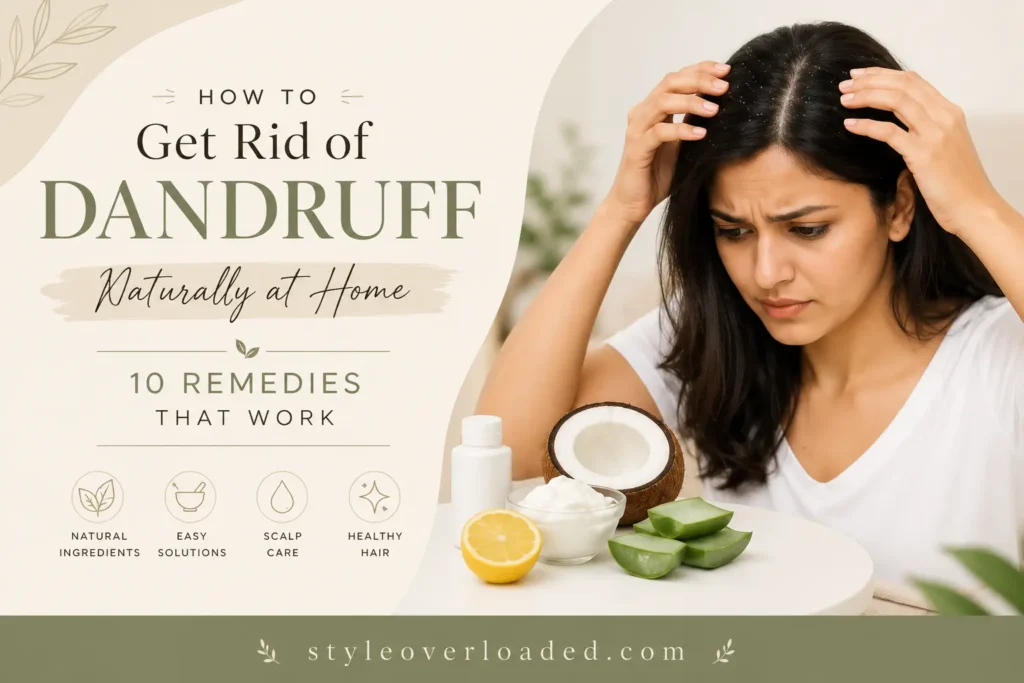
Master effective scalp care with our complete guide to dandruff treatment. Discover OTC shampoos, active ingredients like zinc pyrithione, home remedies, and daily care tips.
Dandruff Treatment Guide 2026-2027
Causes, OTC Medicated Shampoos, & Effective Scalp Care Tips
📌 Table of Contents
Dandruff, characterized by those annoying white flakes and an itchy scalp, is a common condition that many people experience. While it’s generally harmless, it can be a source of discomfort and embarrassment. As someone who has navigated the challenges of managing a flaky scalp, I understand the desire for effective solutions. 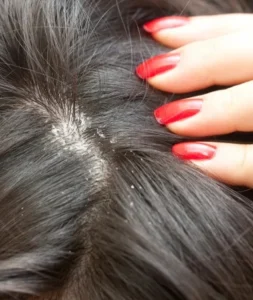 This guide aims to provide a comprehensive overview of dandruff treatment, from understanding its causes to exploring various remedies and lifestyle adjustments.
Understanding Dandruff: More Than Just Dry Skin
Before diving into dandruff treatment, it’s helpful to understand what causes it. Dandruff isn’t simply a dry scalp; it often involves an overgrowth of a yeast-like fungus called Malassezia, which naturally lives on the scalp. When this fungus multiplies too much, it can irritate the scalp, leading to accelerated skin cell turnover and characteristic flaking. Other contributing factors include oily skin, medical conditions, and hair care habits according to the American Academy of Dermatology.
Sometimes, what appears to be regular dandruff might actually be a symptom of a more significant skin condition like seborrheic dermatitis, psoriasis, or eczema. Seborrheic dermatitis presents with red patches and oily, yellow scales. If your dandruff is severe or doesn’t respond to over-the-counter (OTC) treatments, consulting a dermatologist is a wise step.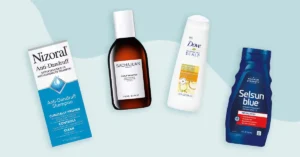
Navigating Over-the-Counter Dandruff Shampoos
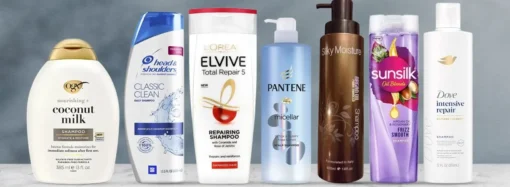
For most individuals, mild dandruff treatment can begin at home with specialized shampoos. The market is flooded with options, each containing different active ingredients designed to combat various aspects of dandruff. Finding one that works for you involves a bit of trial and error.
Here are common active ingredients found in anti-dandruff shampoos:
| Active Ingredient | How It Works & Key Examples |
|---|---|
| Zinc Pyrithione | Antifungal and antibacterial agent that controls Malassezia (e.g., Head & Shoulders). |
| Selenium Sulfide | Slows skin cell turnover (e.g., Selsun Blue). Note: May discolor light hair. |
| Ketoconazole | Broad-spectrum antifungal highly effective against yeast (e.g., Nizoral). |
| Salicylic Acid | Helps shed dead skin cells and reduces scaling (e.g., Neutrogena T/Sal). |
| Coal Tar | Slows skin cell growth on the scalp (e.g., Neutrogena T/Gel). |
| Sulfur | Often combined with salicylic acid to gently shed dead skin flakes. |
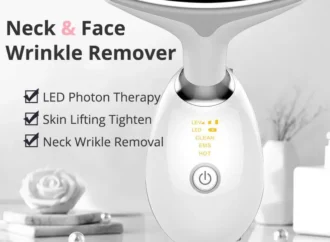
🌸 Self-Care Tip: Pair your hair care routine with relaxing skin therapy using our best-selling EMS Thermal Neck Massager!
How to Use Dandruff Shampoo Effectively
Proper application is crucial for effective scalp treatment:
- Follow Instructions: Allow medicated shampoo to sit on the scalp for 5–10 minutes before rinsing.
- Target the Scalp: Concentrate shampoo directly on your scalp, not just the hair strands.
- Adjust Frequency: Oily hair may require usage twice a week, whereas coarse/curly hair may only need weekly treatment.
- Rotate Shampoos: If one active ingredient stops working, alternate between two different formulations.
💡 Campus Style Tip: For effortless hairstyle ideas that complement a healthy scalp, check out our complete University Fashion Trends Guide!
Top 10 Fast Home Remedies for Dandruff Relief
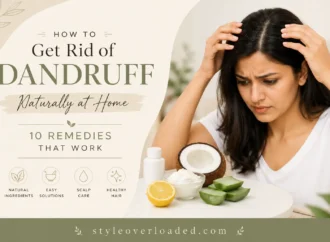
In addition to medicated shampoos, these 10 natural home remedies help soothe scalp irritation, reduce yeast overgrowth, and restore moisture balance effortlessly: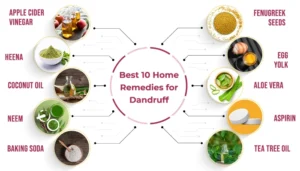
1. Tea Tree Oil 🌿
Potent antifungal properties that fight Malassezia fungus directly.
2. Coconut Oil 🥥
Deeply hydrates dry scalp, prevents tightness, and improves skin barrier health.
3. Aloe Vera Gel 🌵
Cools intense scalp itching, reduces inflammation, and relieves redness.
4. Apple Cider Vinegar 🍎
Balances scalp pH level to prevent yeast from growing further.
5. Neem Water Rinse 🍃
Natural antibacterial agent that calms infections and clears flakes.
6. Baking Soda Scrub 🧂
Gently exfoliates dead skin buildup and strips away excessive oiliness.
7. Lemon Juice Rinse 🍋
Citric acid breaks down oiliness and clears stubborn white flakes quickly.
8. Plain Yogurt Mask 🥣
Lactic acid gently dissolves dead skin cells while probiotics nourish scalp health.
9. Fenugreek (Methi) Paste 🧄
Rich in protein and nicotinic acid to combat hair loss and intense flaking.
10. Olive Oil Therapy 🫒
Softens thick dandruff crusts overnight for easier removal during washing.
When to Seek Professional Help
If your dandruff does not improve after several weeks of OTC treatment, consult a board-certified dermatologist. They can diagnose underlying issues and prescribe stronger treatments like ketoconazole 2% or topical corticosteroids.
Explore more self-care and beauty guides on Style Overloaded.
✨ Looking for Skincare & Beauty Tools? ✨
Complete your daily self-care routine with glowing skin and a healthy scalp!
Conclusion
Dealing with dandruff can be frustrating, but with the right approach, treatment is highly effective. Starting with OTC medicated shampoos, practicing good scalp hygiene, and managing stress are crucial for lasting relief. With patience and consistency, you can enjoy a healthy, flake-free scalp.
Frequently Asked Questions (FAQs)
Q1: Can stress cause dandruff?
Stress doesn’t directly cause dandruff, but it can worsen flare-ups and affect scalp health.
Q2: How often should I use dandruff shampoo?
It depends on your hair type. Oily hair may require 2 times a week, while coarse or curly hair may only need once a week.
Q3: What if my dandruff treatment isn’t working?
Try switching to a shampoo with a different active ingredient. If flaking persists, consult a dermatologist.
Q4: Can I use regular conditioner after using dandruff shampoo?
Yes, apply conditioner to the ends of your hair to keep it hydrated, as medicated shampoos can be drying.
Q5: Is dandruff a sign of poor hygiene?
No, dandruff is primarily caused by Malassezia yeast overgrowth and oily scalp conditions, not poor hygiene.












Leave a Comment
Your email address will not be published. Required fields are marked with *