
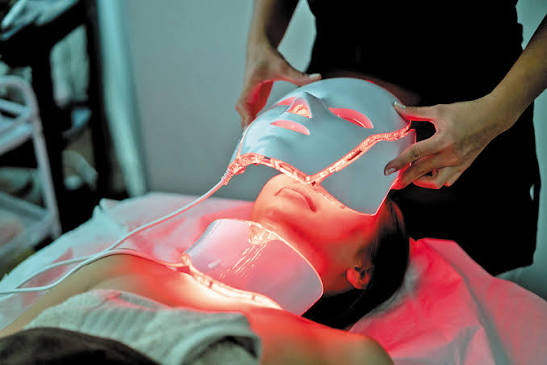
Red light therapy masks are everywhere in 2026, but do they actually work? This guide breaks down the clinical research, real benefits and risks, how to choose an FDA-cleared mask, and how to use one safely with a specific look at what Pakistani skin and climate need to know.
Red Light Therapy Mask: Benefits, Risks, and a Complete Buying Guide for 2026
 Red light therapy masks have gone from dermatologist-office treatments to one of the most searched skincare devices of 2026. But behind the viral videos and glowing testimonials sits a real question: does red light therapy actually work, and is it worth adding an LED face mask to your routine? This guide breaks down what clinical research actually shows, the genuine benefits and risks, and exactly what to look for if you’re buying a red light therapy mask plus specific considerations for Pakistani skin and climate.
What Is Red Light Therapy?
Red light therapy is a form of LED (light-emitting diode) light therapy a non-invasive treatment that uses specific wavelengths of light to affect the deeper layers of skin. It’s also known scientifically as photobiomodulation (PBM) or low-level light therapy (LLLT). The technology has an unusual origin story: NASA originally began studying LED light in the 1990s for its wound-healing effects on astronauts, and dermatologists have since adapted the technology for skin treatment, both in clinics and, more recently, in at-home devices like LED masks.
How Does Red Light Therapy Work?
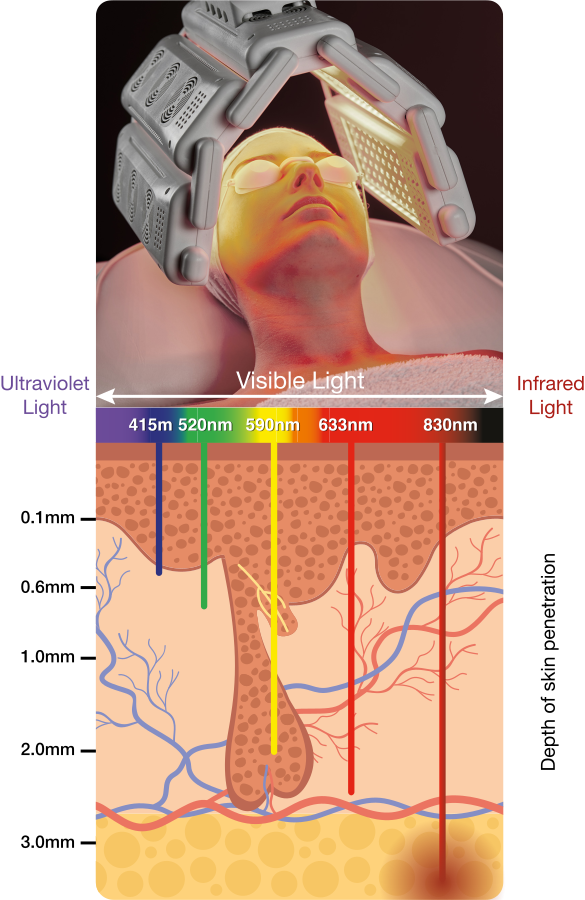
Different LED colors penetrate the skin at different depths, and each is associated with different effects:
- Blue light affects only the uppermost layer of skin and is primarily used for acne, since it may help destroy acne-causing bacteria.
- Yellow light penetrates a bit deeper and is generally used to help even out sun damage.
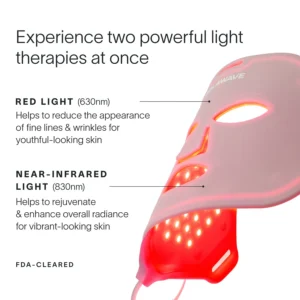
- Red light travels further into the skin and is believed to reduce inflammation and stimulate collagen production — the protein responsible for firm, youthful-looking skin.
- Near-infrared light penetrates the deepest of all, often combined with red light in modern masks to boost effectiveness for anti-aging concerns.
Most red light therapy masks on the market combine red light (roughly 630–680nm wavelength) with near-infrared light for this reason.
 Does Red Light Therapy Actually Work? What the Research Says
This is where a lot of skincare trends fall apart under scrutiny but red light therapy has more clinical backing than most. A controlled clinical trial published in the journal Photomedicine and Laser Surgery tested red and near-infrared light treatment on 136 volunteers over 30 sessions. The results showed statistically significant improvements in skin roughness, collagen density, and expert-assessed wrinkle reduction compared to a control group that received no treatment with roughly 70% of treated participants rated as “improved” by blinded evaluators, compared to just 4% of the untreated control group.
That said, it’s worth setting realistic expectations. In-office LED treatments use more powerful strengths than at-home masks, meaning at-home devices are unlikely to produce dramatic results but consistent use may deliver subtle, real improvements in skin tone, texture, and fine lines over time.
Benefits of Red Light Therapy Masks
Based on both clinical research and dermatologist consensus, red light therapy is associated with:
- Stimulating collagen production, resulting in smoother, more supple-looking skin
- Reducing inflammation and supporting the skin’s natural healing process
- Softening the appearance of fine lines and wrinkles with consistent use
- Improving skin tone and texture, including redness and mild discoloration
- Being suitable for most skin types and tones, since unlike UV-based treatments it doesn’t cause burns or sun-damage-related risks
Red Light Therapy Risks and Side Effects
Red light therapy is considered a low-risk treatment overall, but it isn’t completely without downsides:
- Eye exposure: Direct, unprotected, and prolonged exposure to bright LED light can potentially cause eye damage, which is why most masks either include eye protection or advise closing your eyes during sessions.
- Photosensitivity risk: People taking medications that increase sensitivity to light (such as certain acne medications or antibiotics) should avoid LED light therapy or consult a dermatologist first.
- Temporary redness or irritation: Mild, short-lived redness or irritation is possible, particularly on sensitive or photosensitive skin.
- Limited long-term data: While short-term safety is well established, researchers note there’s still limited data on the long-term effects of repeated at-home use over many years.
Red light therapy doesn’t treat everything, either it’s not effective for acne cysts, blackheads, or whiteheads, which typically need a different treatment approach.
 Types of Red Light Therapy Masks: What’s on the Market
 Types of Red Light Therapy Masks: What’s on the Market
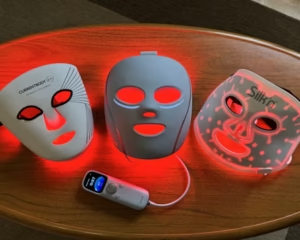
LED face masks generally fall into a few categories, each with trade-offs worth knowing before you buy:
Rigid Plastic Masks
Made from firm, lightweight plastic molded to the face shape. These tend to hold their form well and often feel more secure than flexible options, though fit can vary more by face shape.
Silicone Masks
Made from flexible medical-grade silicone with cutouts that wrap around facial features. These are generally more comfortable for a wider range of face shapes and are currently the most common style on the market.
Wireless vs. Corded Controllers
Most modern masks are cordless on the face itself, though many still connect to a small handheld or clip-on controller that needs charging separately. Fully wireless, controller-free designs tend to be the most convenient for daily use.
Single-Mode vs. Multi-Mode Masks
Basic masks offer just red light. More advanced (and pricier) masks combine red, near-infrared, and blue light modes, letting you target multiple concerns anti-aging and acne, for example with one device.
 What to Look for When Buying a Red Light Therapy Mask
 What to Look for When Buying a Red Light Therapy Mask
If you’re shopping for a red light therapy mask, dermatologists and testers consistently point to these factors:
- FDA clearance: Look for masks that are explicitly “FDA cleared.” This means the device has been reviewed and determined safe for its intended use an important baseline for any at home light therapy device.
- Wavelength range: For anti-aging benefits, look for red light in the 630–680nm range, ideally combined with near-infrared light for deeper penetration.
- Number of LEDs and coverage: More LEDs generally mean more even light distribution across the face, though this also affects price.
- Treatment time: Sessions across the market range from 3 to 20 minutes; shorter sessions (3–10 minutes) tend to make consistent daily use more realistic.
- Comfort and fit: Since results depend on consistent, regular use, a mask that’s genuinely comfortable to wear is more valuable than one with maximum specs you’ll avoid using.
- Eye protection: Check whether the mask includes built-in eye shields or requires separate safety goggles.
- Warranty: Most reputable masks come with at least a 1-year limited warranty; some offer 2 years.
How to Use a Red Light Therapy Mask Safely
- Start with clean, bare skin. Cleanse and dry your face before use apply any skincare products like moisturizer afterward, not before.
- Follow the recommended session time. Longer than the prescribed treatment time isn’t more effective — it’s simply unnecessary exposure.
- Be consistent. Meaningful results typically require regular use over at least a couple of months, several times a week or daily, depending on the device.
- Protect your skin afterward. Skin can be slightly more sensitive to sunlight right after a session, so apply sunscreen if you’re heading outdoors a non-negotiable step in Pakistan’s high-UV climate.
- Time of day doesn’t matter much. Morning or night both work; many people prefer using it as part of an evening routine after cleansing.
 Red Light Therapy for Pakistani Skin: What to Know
 Red Light Therapy for Pakistani Skin: What to Know
A few practical points worth factoring in if you’re considering a red light therapy mask in Pakistan:
- Sun protection matters even more here. Given Pakistan’s intense year-round sun exposure, always apply SPF 50+ after a session, especially if you’ll be outdoors afterward.
- Import and availability: Most well-known LED mask brands aren’t sold locally in Pakistani stores, so most buyers import via international shipping or third-party resellers factor in customs duties when comparing prices to U.S. or UK listings.
- Climate and device care: Store your device away from direct heat and humidity when not in use, particularly during Karachi’s humid summer months, to protect the electronics and battery.
- Consult a dermatologist first if you have active skin conditions, are on acne medication like isotretinoin, or have any history of skin cancer this applies universally, not just locally.
Who Should Avoid Red Light Therapy
LED light therapy isn’t recommended for everyone. You should consult a dermatologist before use if you:
- Take medications that increase light sensitivity (such as certain antibiotics, isotretinoin, or lithium)
- Have a history of skin cancer or inherited eye conditions
- Are pregnant (out of general caution, though specific risk data is limited)
- Have any active, undiagnosed skin condition what looks like early aging or discoloration can occasionally be something that needs medical evaluation first
Frequently Asked Questions About Red Light Therapy Masks
Does red light therapy actually work for wrinkles? Clinical research, including a controlled trial published in Photomedicine and Laser Surgery, found statistically significant improvements in skin roughness, collagen density, and wrinkle appearance after 30 sessions compared to an untreated control group.
Is red light therapy the same as LED therapy? Largely, yes, red light therapy is a specific type of LED light therapy and the most commonly used form for skin treatment. Some masks combine it with additional modes like near-infrared or blue light.
How often should I use a red light therapy mask? Most devices recommend use several times a week to daily, with visible improvements typically taking at least a couple of months of consistent use.
Is red light therapy safe for all skin tones? Yes, unlike UV-based treatments, red light therapy doesn’t cause burns and is generally considered safe across all skin types and tones.
What should I look for when buying a red light therapy mask? Prioritize FDA clearance, a red light wavelength in the 630–680nm range, a comfortable fit, and built-in eye protection over flashy marketing claims or maximum specs.
Can red light therapy help with acne? Blue light modes (rather than red) are generally more associated with acne-fighting benefits, since blue light may help reduce acne-causing bacteria. Many multi-mode masks combine both.
Conclusion: Is a Red Light Therapy Mask Worth It?
Unlike many viral skincare trends, red light therapy has genuine clinical research behind it controlled studies have shown measurable improvements in collagen density, skin roughness, and wrinkle appearance with consistent use. That doesn’t mean every red light therapy mask on the market is worth buying: prioritize FDA clearance, the right wavelength range, and a device you’ll actually use consistently over flashy marketing claims.
For general medical information on how LED light therapy works and who should avoid it, Cleveland Clinic’s overview of LED light therapy is a reliable, dermatologist-reviewed resource worth reading before you buy.
Read more:





















Leave a Comment
Your email address will not be published. Required fields are marked with *