
Most hair oil guides in Pakistan are just product lists. This one explains what amla, kalonji, and mustard oil actually do matched to your hair type and concern, plus the right technique to use them.
Best Hair Oils in Pakistan for Growth & Hair Fall
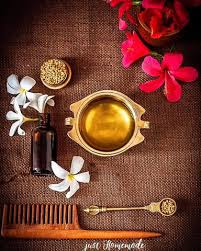
Almost every Pakistani woman grew up watching her mother or nani heat oil in a small steel katori before running it through her scalp. It’s one of the oldest, most trusted rituals in South Asian hair care and yet most “best hair oil” guides online are just a list of ten bottles with a paragraph each, no real explanation of what any ingredient actually does or which one your hair actually needs.
 This guide fixes that. Instead of another product list, you’ll get the real function behind both traditional desi ingredients and the popular imported oils, matched to your specific hair concern and hair type plus the right way to actually apply oil, since most of the benefit is lost through bad technique, not bad product choice.
Why Oiling Actually Works (and Where It Can’t Help)
Oil does three real things for hair: it lubricates the shaft to reduce friction and breakage during combing, it seals in moisture by coating the cuticle, and massaging it in improves scalp blood circulation, which supports the follicle environment hair grows from. What it doesn’t do is speed up hair growth overnight or regrow hair from a follicle that’s genuinely dormant or scarred — that’s a myth worth retiring. Oiling is maintenance and prevention, not a miracle fix, and understanding that distinction is what separates a routine that actually works from one that just feels ritualistic.
Hair Oil vs. Hair Serum: Which One Do You Actually Need?
This is one of the most common points of confusion, and it’s worth clearing up before you buy either one. They’re not interchangeable, and they’re not competing products they solve two different problems.
Hair oil is nourishment. It’s meant to be massaged into the scalp, left on for a while, and washed out. Its job is to support circulation, reduce protein loss, and treat the scalp and hair over time.
Hair serum is finish. It’s applied to clean, towel-dried hair and left in never washed out. Its job is to smooth the cuticle, control frizz, and add shine in the moment, mainly on mid-lengths and ends.
A simple way to remember it: oil is what you do before you wash your hair to treat it; serum is what you do after you wash your hair to style it. Someone dealing with hair fall or a dry, under-nourished scalp needs oil. Someone dealing with daily frizz, flyaways, or a dull finish after washing needs a serum. Many routines genuinely benefit from both — they’re just used at different points for different reasons, not as substitutes for each other.
Desi Oils vs. Imported Oils: What Each Ingredient Actually Does
Most competitor guides in Pakistan either list only imported oils (coconut, argan, jojoba) or mention desi ingredients in passing without explaining them. Here’s the real breakdown of both.
Traditional desi ingredients:
- Amla (Indian gooseberry): Extremely high in vitamin C and antioxidants, amla is one of the best-supported traditional ingredients for strengthening hair roots and is widely used to help slow premature greying.

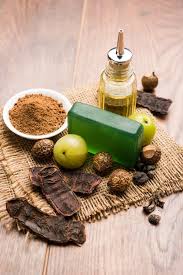
- Reetha (soapnut): A natural, gentle cleanser rather than a conditioning oil it’s often boiled and used as a rinse to remove buildup without stripping hair the way sulfates can.
- Shikakai: Works alongside reetha as a gentle detangling cleanser, and is traditionally credited with adding shine without weighing hair down.
- Kalonji (black seed): Contains thymoquinone, a compound with anti-inflammatory properties, which is why it’s commonly used for scalp irritation, dandruff, and to support a healthier growth environment.
- Bhringraj: A staple Ayurvedic herb specifically associated with reducing hair fall and is often infused into a carrier oil like coconut or sesame rather than used on its own.
- Methi (fenugreek) seeds: Rich in protein and nicotinic acid, methi is traditionally soaked, ground, or infused into oil to help strengthen strands from the root.
- Mustard oil (sarson ka tail): One of the most widely used oils in Pakistani households, particularly for oily, dandruff-prone scalps. It has natural antibacterial and antifungal properties and is known to improve circulation, though its strong smell and heaviness mean it works best massaged into the scalp only, not the lengths, especially on finer hair.
Popular imported Hair oils:
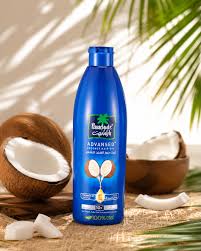
- Coconut oil: One of the few oils proven to actually penetrate the hair shaft rather than just coat it, which makes it especially effective at reducing protein loss from washing.

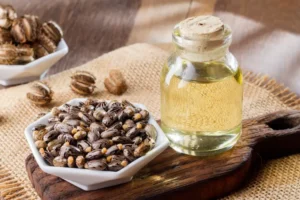
- Castor oil: Very thick and rich in ricinoleic acid; usually mixed with a lighter oil since it’s too heavy to use alone, and popular for scalp massage due to its viscosity improving grip.

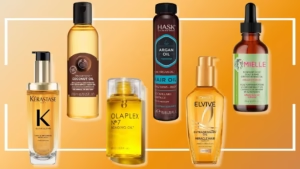
- Argan oil: Lightweight and rich in vitamin E, best suited as a finishing or leave-in oil rather than a heavy scalp treatment.
- Rosemary oil: Increasingly popular for scalp circulation and is usually diluted into a carrier oil rather than applied directly, since it’s a concentrated essential oil.
- Jojoba oil: Chemically closest to natural human sebum, which makes it the best option for oily scalps that still want the benefits of oiling without added greasiness.
The Best Hair Oil for Your Specific Concern
- Hair fall: Bhringraj-infused coconut oil, onion oil, or diluted rosemary oil — all specifically associated with strengthening roots and reducing shedding.
- Slow growth: Castor oil (mixed with a lighter carrier), kalonji oil, or rosemary oil, focused on consistent scalp stimulation.
- Dandruff or an irritated scalp: Kalonji (black seed) oil, which has natural anti-inflammatory properties, or tea tree-infused oils in small diluted amounts.
- Dry or damaged hair: Coconut oil for penetration, followed by argan or almond oil as a lighter sealant on the lengths.
- Oily scalp: Jojoba oil in small amounts, applied mainly to the lengths rather than saturating the roots, or skipping scalp oiling and focusing only on the ends.
The Best Hair Oil for Your Hair Type
- Straight hair: Needs the lightest oils jojoba or argan since straight hair gets weighed down and greasy fastest.
- Wavy hair: Does well with a light-to-medium oil like argan or a diluted rosemary blend, applied mid-length to avoid flattening natural movement.
- Curly hair: Needs richer oils coconut or castor blends since curl patterns make it harder for natural scalp oil to travel down the shaft.
- Coily hair: Benefits most from the heaviest, most emollient oils, like a castor and coconut blend, since this hair type is naturally the driest and most prone to breakage.

How to Actually Oil Your Hair (Most Women Get This Part Wrong)
The oil itself matters less than most people think technique is where most of the benefit is won or lost.
- Warm the oil slightly, just enough to feel pleasantly warm, not hot. This helps it absorb faster and feels better for scalp massage.
- Section your hair and apply oil to the scalp first using your fingertips, not your palm, so you can actually massage rather than just smear.
- Massage in small circular motions for 5–10 minutes. This is the step that actually improves circulation skipping it means you’re only getting the moisture benefit, not the scalp-health benefit.
- Work the remaining oil through the lengths and ends, where hair is oldest and most prone to dryness and split ends.
- Leave it on for 2–4 hours, not overnight. Left too long in a dusty environment, oil can trap grime against the scalp instead of nourishing it overnight oiling is a common habit that often does more harm than good.
- Shampoo thoroughly, focusing on the scalp, since oil needs a proper cleanse to fully rinse out rather than just a quick rinse.
Do this two to three times a week. Daily oiling isn’t necessary and can leave hair looking limp rather than healthy.
A note on overnight oiling: You’ll see plenty of brands recommend leaving oil in overnight for “deeper repair,” and in a clean, low-dust bedroom, that’s not necessarily wrong it simply gives the oil more time to sit. The caution here is specifically about Pakistan’s dust and pollution levels: oil left on the scalp overnight acts like a magnet for airborne grime, and that combination is what can end up clogging follicles rather than nourishing them. If your environment is genuinely clean and dust-free, overnight oiling is a personal preference. If not, two to four hours gets you nearly all the same benefit without the tradeoff.
Always patch test a new oil first, especially anything with mustard, onion, or an essential oil like rosemary or tea tree. Apply a small amount behind your ear or on your inner wrist and wait 24 hours skin and scalp sensitivity varies a lot from person to person, and this is a five-minute step that avoids a much more irritating week.
DIY Oil Blends Worth Trying
- Coconut + kalonji: Warm coconut oil infused with a teaspoon of black seed oil, good for dandruff-prone scalps.
- Castor + rosemary: A heavier blend for hair fall and slow growth mix roughly three parts castor to one part rosemary-infused oil to offset castor’s thickness.
- Amla + methi: Traditionally boiled together in a carrier oil like sesame or coconut, strained, and cooled a strengthening blend aimed at reducing breakage and roots.
Store-Bought vs. DIY: Which Is Actually Better?
Neither is universally better — it depends on consistency. A well-formulated store-bought oil is convenient and shelf-stable, which matters if a DIY blend means you’ll only oil your hair once a month instead of twice a week. A DIY blend gives you more control over concentration and avoids fillers or fragrance additives some commercial oils rely on. The honest answer: the oil you’ll actually use consistently is the better oil, regardless of which category it falls into.
Signs You’re Using the Wrong Oil for Your Hair
Even a good oil can be the wrong match. Watch for these signals:
- Hair feels heavier and flatter by midday, not just after application — usually means the oil is too rich for your hair type (common when straight or fine hair is treated with undiluted castor oil).
- Scalp feels more irritated or itchy after oiling, which can point to an essential oil like rosemary or tea tree being used undiluted rather than mixed into a carrier oil.
- No change in dryness after several weeks of consistent use — this usually means the oil isn’t penetrating (a coating oil like mineral or silicone-heavy oil sitting on the surface) rather than absorbing (like coconut oil, which actually enters the shaft).
- Breakouts along the hairline or forehead, a sign the oil is too heavy for your skin even if your hair tolerates it — switching application to start an inch below the hairline usually resolves this.
If you notice any of these, it’s rarely a sign to stop oiling altogether — it’s a sign to switch to a lighter oil, dilute more, or adjust how close to the hairline you’re applying it.
Hair Oil Mistakes to Avoid
- Applying oil to already-oily or unwashed hair — it just adds grease on top of grease without giving any real benefit.
- Skipping the scalp massage and only smoothing oil over the lengths, which skips the circulation benefit entirely.
- Leaving oil in overnight in a dusty environment, which can trap dirt against the scalp.
- Using heavy oils like castor undiluted on fine, straight hair, which weighs it down without adding any real strength benefit.
- Expecting visible regrowth within days — realistic results from consistent oiling show up over 8–12 weeks, not overnight.
Frequently Asked Questions
1. What’s the actual difference between hair oil and hair serum? Hair oil is a pre-wash or scalp treatment massaged in and washed out, meant to nourish over time. Hair serum is a leave-in finishing product applied after washing to smooth frizz and add shine. They solve different problems and can both have a place in the same routine.
2. Is it safe to oil your hair every day? It’s not necessary, and daily oiling can leave hair looking flat and greasy rather than healthier. Two to three times a week gives most hair types the full benefit without the buildup.
3. Which oil is best for dandruff and an oily scalp in Pakistan? Mustard oil (sarson ka tail) is one of the most traditionally used options for this specifically, thanks to its natural antibacterial and antifungal properties, along with kalonji (black seed) oil for scalp irritation.
4. What is the best hair oil for hair growth in Pakistan? Castor oil, kalonji (black seed) oil, and rosemary oil are the most consistently recommended for supporting growth, since each stimulates scalp circulation in a different way. Consistency matters more than which single oil you pick.
5. Is coconut oil or castor oil better for hair? They serve different purposes — coconut oil penetrates the hair shaft to reduce protein loss, while castor oil is thicker and better suited to scalp massage and strengthening. Many routines use both together rather than choosing one.
6. Does black seed (kalonji) oil really help with dandruff? Kalonji has natural anti-inflammatory properties, which is why it’s traditionally used for an irritated, flaky scalp. Results are gradual and depend on consistent use rather than a single application.
7. How often should I oil my hair? Two to three times a week is enough for most hair types. Daily oiling isn’t necessary and can make hair look flat rather than healthier.
8. Should I leave hair oil in overnight? It’s not necessary and can backfire in a dusty environment, where oil left in too long traps grime against the scalp. Two to four hours is generally enough.
9. What’s the best oil for oily scalp hair? Jojoba oil is the closest match to natural scalp sebum, making it the lightest, least greasy option for those with an already oily scalp.
10. Can hair oil alone stop hair fall? Oil supports scalp health and can reduce breakage, but it can’t address hair fall caused by hormonal, nutritional, or genetic factors on its own. It works best combined with diet and a proper wash routine, not as a standalone fix.
11. What is the best oil for curly or coily hair? Richer oils like coconut and castor work best, since curly and coily hair naturally struggle to distribute scalp oil down the length of each strand.
12. Are desi oils like amla and bhringraj actually effective, or just traditional? Both have documented properties that support the traditional claims amla for its antioxidant content and bhringraj for its association with reduced hair fall — though like most hair oils, results depend on consistent long-term use rather than a single application.
13. Is it better to buy hair oil or make it at home? Whichever one you’ll actually use consistently. A quality store-bought oil used regularly will outperform a DIY blend used inconsistently, and vice versa.
Read more: Hair Care Guide Pakistan, Best Shampoo for Hair Fall in Pakistan, Hard Water Hair Loss in Pakistan,






















Leave a Comment
Your email address will not be published. Required fields are marked with *