
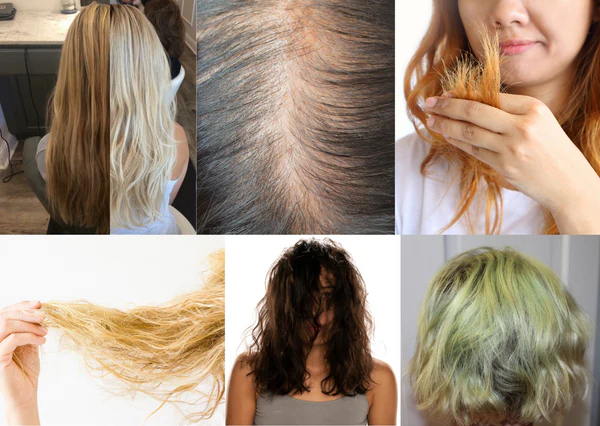
Is hard water really behind your hair fall, or just breakage? Here’s what two conflicting scientific studies actually found, the real signs to look for, and a Pakistan-specific fix plan starting free, with a shower filter only if you actually need one.
Hard Water Hair Loss in Pakistan: Causes, Signs & How to Actually Fix It
You’ve probably heard both versions of this story. One friend swears hard water is why her hair is falling out in clumps. Another rolls her eyes and says it’s just a myth. Neither is fully right and neither is fully wrong.
Here’s what actually happens: hard water is genuinely hard on Pakistani hair, but the honest answer is more specific than “it causes hair loss.” Below is what the actual research says, the real signs to look for, and a fix plan that starts free and only costs money if you need it to.
 Why Hard Water Is Nearly Impossible to Avoid in Pakistan
 Why Hard Water Is Nearly Impossible to Avoid in Pakistan
Hard water simply means water carrying a high concentration of dissolved minerals mainly calcium and magnesium. Most major Pakistani cities sit on groundwater or municipal supply that runs moderately to significantly hard, which is exactly why white, chalky residue builds up on taps, shower glass, and kettles in almost every home. If you’ve ever noticed your shampoo barely lathering or your skin feeling tight and dry right after a shower, that’s the same mineral load working against your hair.
Unlike the UK or parts of the US, where hardness varies sharply by region, most of urban Pakistan deals with this consistently year-round — which is precisely why local, honest information about it matters more here than almost anywhere else.
Does Hard Water Actually Cause Hair Loss? What the Research Really Says
This is where most articles get lazy. They cite “a study” and move on. There are actually two different findings, and the disagreement between them is the most useful thing you can know.
The original, most cited study soaked isolated hair strands in hard water for a short period and found that water hardness did not interfere with the tensile strength or elasticity of hair. That’s the finding a lot of global sites lean on to dismiss hard water as a non issue.
But two follow-up studies conducted specifically in Pakistan tell a different story. Researchers tested water hardness across ten districts of Khyber Pakhtunkhwa and exposed real hair samples to it for a full month, and the treated hair ended up thinner and showed more calcium buildup than hair washed in distilled water. A related trial extended the exposure to three months and confirmed it: hard water decreases the strength of hair and increases breakage.
The difference between these results comes down to one variable: duration. A quick lab test on a few strands shows barely any effect. Real, repeated, month-after-month washing which is exactly what happens in an actual Pakistani bathroom does measurably weaken hair. So if you’ve been told hard water is “just a myth,” the myth is the short version of the story, not the long one.
What the evidence does not support is hard water as a root cause of true pattern hair loss the genetic or hormonal kind that shows up as a receding hairline or widening part. Dermatologists are consistent on this: genetics, hormones, and follicle health remain the dominant drivers of that type of hair loss. Hard water is a modifying factor it makes existing hair weaker and more prone to snapping, not a cause of follicles shutting down on their own.
Breakage vs. Hair Loss: The Difference That Actually Matters
This is the single most useful distinction almost nobody explains, and it changes how you should respond.
True hair loss happens when a strand falls out from the root, bulb attached, usually from the scalp shedding cycle, hormones, or follicle health.
Breakage happens when a strand snaps somewhere along its length because it’s become weak, dry, or brittle no root involved.
Hard water is overwhelmingly a breakage problem, not a root-level shedding problem. Mineral buildup coats the hair shaft, blocks moisture from getting in, and leaves the strand stiff and prone to snapping under normal brushing or tying. So if you’re seeing more hair around your brush or drain, hard water is far more likely to be behind broken pieces than actual hair falling out from the follicle. That distinction alone should change how urgently you approach it this is fixable, not a sign of something more serious in most cases.
Signs Your Hair Is Actually Being Affected by Hard Water
Look for a combination of these, not just one:
- Hair feels rough, straw-like, or “coated” even right after washing
- Shampoo doesn’t lather properly no matter how much you use
- Increased tangling, frizz, or split ends despite a consistent routine
- Dull, lifeless colour with little natural shine
- Scalp feels itchy, tight, or flaky
- Visible white mineral scale on your shower tiles, taps, or showerhead
If several of these sound familiar and your city is known for hard water, this is very likely part of what’s happening to your hair.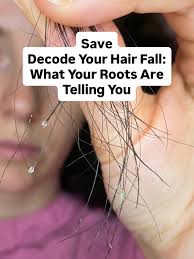
Who’s Most at Risk
Not all hair is affected equally. Curly, porous, and chemically treated hair absorbs minerals more readily than straight, low-porosity hair, which means it dries out and becomes brittle faster under hard water exposure. This matters for two groups of Pakistani women specifically who rarely see this angle addressed: those with henna or chemically dyed hair, where the already-raised cuticle from colour treatment absorbs even more mineral buildup, and those who wear hijab or tie hair up tightly for long hours, where breakage from hard water compounds with tension-related stress on the same strands.
How to Actually Fix Hard Water Hair Damage: A Free-to-Paid Plan
You don’t need to spend anything to start. Work through these in order, and only move to the next tier if the previous one isn’t enough.
Step 1: Fix Your Technique (Free)
- Wash the scalp, not the length. Focus shampoo on the scalp and let it rinse down naturally over-washing the length strips what little moisture hard water leaves behind.
- Rinse completely before conditioning. Leftover shampoo residue combines with mineral buildup and makes both worse.
- Rinse in the direction hair grows from the crown toward the front which reduces unnecessary tension on strands.
- Finish with a cool water rinse. Cold water helps flatten the cuticle, sealing in moisture before it can be disrupted by mineral residue.
- Apply a light oil after washing, while hair is still damp, to create a barrier against future buildup. Coconut or argan oil both work well for this.
- Wash less often if you can. Every wash is another mineral exposure stretching to every other day, where your scalp allows it, reduces cumulative buildup.
Step 2: Add Weekly Treatments (Low Cost)
- Clarifying or chelating shampoo, once a week. This is the single most effective low-cost fix it’s specifically formulated to lift mineral deposits that a regular shampoo leaves behind. Don’t use it daily; it’s strong enough to be drying with overuse.

- Apple cider vinegar or lemon rinse, once a week after shampooing. Diluted in water (roughly one part vinegar to three or four parts water), it helps dissolve mineral residue and lowers the hair’s pH, which closes the cuticle back down.
- A deep conditioning mask, twice a week, worked in from scalp to tips and left on for at least five minutes, to replace the moisture hard water strips away.

Step 3: A Shower Filter (Mid Cost)
A shower filter attaches directly to your showerhead and reduces though doesn’t fully eliminate the minerals reaching your hair before contact. It’s a realistic middle-ground option: far cheaper than a whole-home softener, and noticeably better than technique changes alone if your water is particularly hard.
Step 4: A Water Softener (Highest Cost, Most Complete Fix)
This treats all the water entering your home, not just your shower, so it’s worth the investment if hard water is also affecting your skin, your laundry, or leaving visible scale on your fixtures not just your hair.
The 6–8 Week Test
Before spending money on a filter or softener, run a simple test: commit to Step 1 and Step 2 consistently for six to eight weeks and track how your hair feels and looks. If breakage and dullness noticeably improve, hard water was very likely the main driver, and you can decide from there whether a filter is worth adding. If nothing changes, it’s worth having a dermatologist rule out other causes nutritional deficiencies, thyroid issues, or hormonal shifts are far more likely explanations for shedding that doesn’t respond to a hard-water fix.
When to See a Dermatologist Instead
Hard water explains breakage and dullness well, but it doesn’t explain everything. If you’re noticing widening at the part line, a receding hairline, hair thinning at the crown, or hair coming out from the root rather than snapping mid-strand, that pattern points toward hormonal, genetic, or nutritional causes rather than water quality and it’s worth getting checked rather than assuming a filter will fix it.
Most Asked Questions About hard Water Hair Loss:
1. Can hard water really cause hair loss? Hard water is far more likely to cause hair breakage than true hair loss from the root. It weakens the hair shaft over time, especially with prolonged exposure, but genetics and hormones remain the main drivers of actual pattern hair loss.
2. How do I know if my hair problem is from hard water or something else? Check for a combination of signs dullness, poor lather, frizz, and visible mineral scale in your bathroom. If you also notice thinning specifically at the part or hairline rather than general breakage, that points toward a different cause.
3. Does a shower filter actually work for hard water hair damage? Yes, to a meaningful degree it reduces the minerals reaching your hair at the point of contact, though it won’t soften your entire home’s water supply the way a whole-home softener does.
4. How often should I use a clarifying shampoo for hard water? Once a week is usually enough. Using it more often can be too drying, since it’s formulated to strip buildup rather than add moisture.
5. Is an apple cider vinegar rinse safe for coloured or henna-treated hair? Yes, when properly diluted it can actually help by closing the cuticle and reducing further mineral absorption, which matters more for colour-treated hair since it already absorbs minerals more easily.
6. Can hard water damage be reversed? Existing breakage can’t be un-broken, but you can stop further damage and grow healthier hair from the point you start a proper routine. Trimming split, weakened ends helps the visible improvement happen faster.
7. Is bottled or filtered water better for washing hair? It can help for occasional use, especially for final styling rinses, but it’s not a practical everyday solution for most households a shower filter or softener is more realistic long-term.
8. Does hard water affect curly hair more than straight hair? Yes. Curly and more porous hair types absorb minerals more readily, making them more prone to dryness and breakage from hard water exposure.
9. Should I wash my hair less often if I have hard water? It can help, since every wash is another exposure to mineral buildup. Just balance this against your scalp’s oil production so you’re not overcorrecting into an oily scalp.
10. How much does a shower filter cost compared to a water softener in Pakistan? A shower filter is a fraction of the cost of a whole-home softener and requires no installation, making it the more realistic first step for most households before considering a full system.
Resd More: Hair Care Guide Pakistan , Best Shampoo for Hair Fall in Pakistan,






















Leave a Comment
Your email address will not be published. Required fields are marked with *