
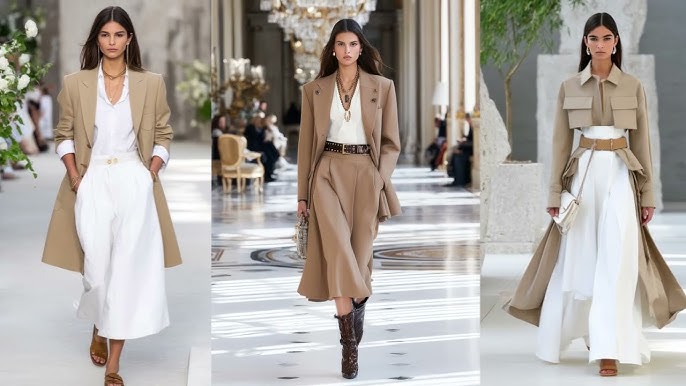
Pakistani designers are pulling back on heavy embellishment in favor of clean, minimalist couture. Here is the full breakdown of the shift and how to shop it.
Fashion
Minimalist Couture: Why Heavy Embroidery Is Losing Ground in 2026
Heavy zari embroidery, dense tilla work, and weight-heavy embellishments have defined Pakistani formal and bridal couture for decades. However, 2026 is witnessing a powerful, conscious shift toward minimalist couture and quiet luxury. Top designers across Lahore, Karachi, and Islamabad are pulling back on overwhelming surface decoration to highlight pure fabric quality, architectural cuts, and precise tailoring.
In this comprehensive guide, we unpack what is actually driving this fashion revolution, how to shop minimalist Pakistani couture without looking underdressed, and how brides are adapting clean-line aesthetics for modern wedding festivities.
Quick Facts & Industry Overview
- Core Trend: Shift from heavy surface embellishment to structural cuts and premium fabric drape
- Primary Drivers: Heavy garment fatigue, preference for re-wearability, and international quiet luxury trends
- Key Fabrics: Raw silk, pure cotton-silk blends, organza, and high-grade structured linen
- Bridal Application: Popular for Nikkah, Dholki, and Walima morning events paired with heirloom jewelry
- Primary Source Reference: Industry fashion insights via Rangreza.net
- Quality Over Quantity: The New Benchmark of Luxury
- Why the Fashion Pendulum Is Swinging in 2026
- What Minimalist Pakistani Couture Actually Looks Like
- How to Shop Minimalist Wear Without Looking Cheap
- Adapting Minimalist Couture for Bridals and Weddings
- Does Minimalist Couture Mean Lower Price Points?
- Frequently Asked Questions (FAQs)
- Final Thoughts
Quality Over Quantity: The New Benchmark of Luxury
For decades, the perceived monetary value of a Pakistani formal outfit was directly tied to its weight and coverage—the heavier the garment, the more costly it was deemed. However, 2026 is completely turning this narrative on its head. Today’s luxury consumer prioritizes structural integrity over busy patterns, and rich fabric drapes over thick metal work.
This movement is as much a technical construction shift as a visual one. Minimalist couture places immense weight on exact seam finishing, silhouette proportions, and tailored fitting. Without heavy embellishment to conceal loose threads or uneven stitching, a designer’s true pattern-making skill is put directly on display.
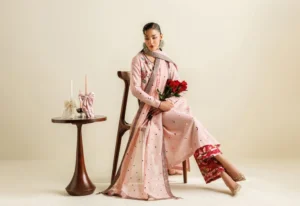 Clean silhouettes and rich raw silk drapes are redefining modern Pakistani couture in 2026.
Why the Fashion Pendulum Is Swinging in 2026
Multiple factors are accelerating the rise of minimalist couture in South Asian fashion circles:
- Heavy Garment Fatigue: Women are tired of wearing 15-kilogram bridal lehengas or stiff formal suits that restrict movement and prove uncomfortable during long events.
- Re-wearability & Utility: Minimalist pieces are significantly easier to restyle and wear multiple times across different occasions compared to heavily embroidered, easily recognizable outfits.
- Global Alignment: The shift mirrors international runway movements toward understated elegance. To see how global fashion weeks influence local couture, explore our international fashion festivals 2026 breakdown.
What Minimalist Pakistani Couture Actually Looks Like
In practical design terms, minimalist couture does not mean completely plain, uninspired clothing. Instead, it relies on deliberate, restrained detailing. Expect to see:
1. Focal Point Detailing: Instead of all-over embroidery, garments feature a single embroidered neckline border, hand-worked sleeve cuffs, or delicate lace-trimmed hemline finishes.
2. Tonal Threadwork: Subtle silk-thread embroidery that matches the base fabric color exactly, creating texture without stark visual noise.
3. Premium Fabric Bases: Structured raw silks, crushed organza, high-count cotton-silks, and pure chiffon that carry natural luster and elegance on their own.
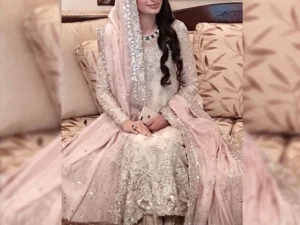 Minimalist bridal wear paired with statement heirloom polki and emerald jewelry.
How to Shop Minimalist Wear Without Looking Cheap
The primary risk when investing in minimalist couture is that a poorly made piece can easily look underdressed or incomplete rather than intentionally chic. Follow these key evaluation criteria when shopping:
- Examine Fabric Weight and Fall: Cheap synthetic fabrics in minimalist cuts look flat. Always opt for natural fiber blends or structured silks that hold shape.
- Inspect Hemlines and Linings: Look closely at blind stitching, seam bindings, and inner linings. High-end minimalist pieces feature immaculate internal finishing.
- Focus on Color Depth: Rich, nuanced tones—such as those featured in our 2026 Pakistani wardrobe color palette guide—elevate clean silhouettes instantly.
Adapting Minimalist Couture for Bridals and Weddings
Modern Pakistani brides are smartly dividing their wedding wardrobes. While traditional, heavily embellished lehengas remain popular for grand Baraat ceremonies, brides are overwhelmingly choosing minimalist silhouettes for Nikkah, Dholki, and Walima daytime functions.
A pristine ivory raw silk kalidar or a minimalist champagne saree creates an breathtaking canvas that lets heirloom polki, diamond, or emerald jewelry shine without visual clutter. It offers comfort, graceful movement, and timeless photographable elegance.
Explore More Fashion & Style Trends
Does Minimalist Couture Mean Lower Price Points?
A common misconception is that minimal embellishment should automatically translate to significantly lower prices. While you do save on artisan hand-embroidery labor hours, high-end minimalist pieces require premium-grade pure fabrics and master-level pattern cutting, which maintains a luxury price tier.
When budgeting, assess the garment’s fabric composition and master tailoring rather than counting hand-work stitches. Visit our full fashion coverage hub to stay updated on designer pricing and seasonal collection drops.
Frequently Asked Questions (FAQs)
Final Thoughts
The emergence of minimalist couture marks a mature and exciting evolution in the Pakistani fashion industry. By steering focus away from excessive glitter and heavy metallic work, designers are giving women the freedom to appreciate refined tailoring, luxurious fabric falls, and effortless comfort. Minimalist pieces do not demand attention through volume; instead, they command respect through quiet elegance and impeccable craftsmanship.
As you build your wardrobe for upcoming festive seasons and wedding events, consider investing in timeless, well-tailored minimalist staples in high-quality fabrics. Pair them with your favorite classic accessories and enjoy the incredible freedom of looking sophisticated, comfortable, and completely on-trend without the weight of traditional heavy embroidery!
















Leave a Comment
Your email address will not be published. Required fields are marked with *