
Are we buying skincare because our skin needs it, or because the beauty industry has convinced us that we are never beautiful enough? Explore the truth about skincare marketing, beauty filters, cosmetic procedures, and simple lifestyle habits that support healthy skin and genuine self-confidence.
Skin Beauty Without the Pressure: Are We Buying Skincare or Buying Insecurity?
What if the beauty industry’s most profitable product isn’t a serum, a moisturizer, or an anti-aging cream—but the feeling that we are not beautiful enough?
Look at your social media feed. Perfectly smooth faces. Poreless skin. Glowing cheeks. Impossibly youthful appearances. Before-and-after photographs promise dramatic transformations, while influencers introduce another must-have serum, another miracle treatment, and another reason to feel dissatisfied with the face staring back at us in the mirror.
Slowly, an ordinary pimple becomes a crisis. Fine lines become a personal failure. Natural pigmentation becomes something to hide. And aging, one of the most natural processes of being alive, begins to look like a problem that needs to be solved.
This raises an uncomfortable question: Are we taking care of our skin because we value our health, or are we spending money because we have been taught to dislike our natural appearance?
The skincare and beauty industries offer genuinely useful products and services. Cleansers, moisturizers, sunscreens, and appropriate medical treatments can help people manage real skin concerns. But an industry built around appearance can also profit from endless dissatisfaction.
It is time to rethink skin beauty—not as a competition to achieve perfection, but as an opportunity to care for ourselves without surrendering our money, confidence, or peace of mind.
1. The Beauty Business: When Insecurity Becomes a Sales Strategy
The global beauty market includes skincare brands, cosmetics companies, luxury retailers, aesthetic clinics, advertising agencies, influencers, and countless businesses selling products and services connected to appearance.
These businesses do not all operate dishonestly. Many invest in research, develop useful products, and employ qualified professionals. The problem begins when marketing turns normal human features into defects that supposedly require expensive correction.
Consider the familiar messages:
- Your skin looks dull, so you need a brighter complexion.
- Your pores are visible, so you need another treatment.
- Your face has fine lines, so you should start fighting aging immediately.
- Your skin is not perfectly even, so you need a complete collection of products.
- Your body does not resemble a celebrity’s, so perhaps you need a transformation.
Each message creates a problem, presents a product as the solution, and leaves room for another purchase.
A moisturizer may genuinely improve dryness. A sunscreen may protect against ultraviolet damage. A dermatologist may successfully treat acne. But none of these benefits means that every person needs a ten-step routine, a luxury serum, or monthly cosmetic procedures.
The smartest beauty consumer is not the person who buys the most products. It is the person who understands what they actually need.
How different parts of the beauty industry make money
Skincare brands earn revenue by selling cleansers, moisturizers, serums, masks, sunscreens, and anti-aging products. Repeat purchases are a normal part of this business model, but unnecessary product layering and exaggerated promises can encourage overspending.
Aesthetic clinics may earn money from consultations, facials, chemical peels, laser procedures, injectables, and other cosmetic services. Some treatments have legitimate medical or cosmetic uses, but patients deserve transparent information about benefits, risks, alternatives, and total costs.
Influencers and advertising agencies may earn through sponsorships, affiliate links, paid partnerships, and promotional campaigns. Their financial incentives can make an expensive product appear essential, even when a simpler option may be sufficient.
Cosmetic surgery providers earn fees for procedures such as breast augmentation, rhinoplasty, and other elective operations. Qualified surgeons can provide appropriate care, but patients should never feel pressured into surgery to meet somebody else’s beauty standard.
The lesson is not that every company is exploiting us. It is that commercial incentives are not the same as our personal interests.
Before buying anything, ask yourself: Does this product address a genuine concern, or has an advertisement persuaded me to develop a new insecurity?
2. Beauty Filters Are Changing What We Think Normal Skin Looks Like
Imagine looking at hundreds of photographs every day in which faces have been digitally smoothed, noses reshaped, eyes enlarged, blemishes removed, and skin tones adjusted.
Then imagine looking in your bathroom mirror and comparing your real face with those edited images.
Your skin has pores. Your face has texture. You may have acne marks, pigmentation, freckles, fine lines, or occasional breakouts. Yet after repeated exposure to filtered images, these ordinary features can begin to feel like imperfections.
This is the dangerous side of digital beauty culture: the reference point for beauty shifts from real human beings to images that may not represent reality.
Research published in systematic reviews has found associations between exposure to idealized social media images, appearance comparisons, and body dissatisfaction. A 2022 review of 43 experimental studies involving 8,637 participants found that viewing idealized appearance-related content could increase body dissatisfaction. The effects vary across individuals and circumstances, but the concern is supported by research.
The result can be a cycle:
- We see a filtered face.
- We compare ourselves with it.
- We become dissatisfied with our appearance.
- We buy products or consider treatments to change it.
- The results fail to reproduce the digitally altered image.
- We search for another solution.
The problem is not using a filter for fun. The problem is forgetting that a filter is an effect—not a standard that human skin must meet.
How to protect your self-image online
Unfollow accounts that repeatedly make you feel unattractive or inadequate. Look for creators who show realistic skin texture, discuss the limitations of treatments, and disclose paid partnerships.
Take breaks from beauty-focused content. Avoid judging your face under harsh lighting or examining every pore with a magnifying mirror. Most importantly, remember that the image on your screen may have been edited, carefully lit, professionally made up, or digitally altered.
Your natural face does not need to compete with a computer-generated version of somebody else’s face.
3. Skin Rejuvenation: What Is Useful, and What Is Just Hype?
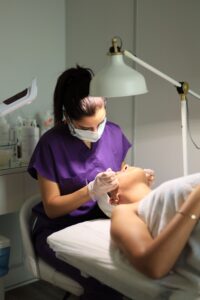
The phrase skin rejuvenation sounds attractive because it suggests restoring something valuable. But it can also imply that natural aging is a condition we must continually fight.
Skin changes throughout life. Collagen production changes, sun exposure accumulates, hormones influence the skin, and genetics play a role in pigmentation, elasticity, and texture.
No cream can stop every aspect of aging. No facial can guarantee permanently flawless skin. No treatment can eliminate every pore, wrinkle, scar, or variation in complexion.
That does not mean skincare is pointless. It means we should have realistic expectations.
A simple approach to skincare
A basic routine is often enough for many people.
Morning
- Cleanse gently if needed.
- Apply a moisturizer suited to your skin.
- Use broad-spectrum sunscreen with SPF 30 or higher on exposed skin.
Evening
- Remove makeup and sunscreen.
- Cleanse without harsh scrubbing.
- Moisturize to support the skin barrier.
Additional ingredients may help with specific concerns. For example, some topical treatments can help manage acne or pigmentation. However, the best choice depends on skin type, sensitivity, medical history, and the problem being treated.
Introducing several active ingredients at once can cause irritation. Expensive packaging does not guarantee superior results, and a product advertised as natural is not automatically safer.
If you have persistent acne, painful inflammation, a changing mole, or a skin condition that is worsening, consult a qualified healthcare professional rather than relying on viral recommendations.
The objective is not to collect products. It is to maintain healthy skin with the least complicated routine that works for you.
4. Are Expensive Aesthetic Treatments Worth It?
Laser treatments, chemical peels, microneedling, injectables, and other procedures may offer benefits for selected concerns. Some are performed for medical reasons, while others are elective cosmetic choices.
However, every procedure deserves careful consideration.
Potential risks vary by treatment and may include irritation, infection, burns, scarring, pigment changes, allergic reactions, or complications requiring further medical care. Some procedures involve downtime, repeat sessions, or maintenance costs.
Before agreeing to a treatment, ask:
- What specific concern will this procedure address?
- What evidence supports the expected result?
- What are the short-term and long-term risks?
- Who will perform it, and what are their qualifications?
- What happens if complications occur?
- What is the complete cost, including follow-up appointments?
- What are the alternatives, including doing nothing?
Do not make a medical decision because an influencer has offered a discount code or a clinic has announced a limited-time package.
A responsible practitioner should explain realistic outcomes and respect your decision to decline. Pressure, humiliation, and promises of perfection are reasons to pause—not reasons to book immediately.
Not every cosmetic treatment is harmful, but no treatment is automatically necessary simply because it is available.
5. Breast Augmentation and Cosmetic Surgery: Whose Approval Are We Seeking?
Breast augmentation and other cosmetic surgeries are personal decisions. Some people choose them for deeply considered reasons, and others may experience meaningful benefits from an appropriately selected procedure.
But surgery is not a casual beauty purchase. It involves medical risks, recovery, expense, and the possibility of future procedures.
Breast implants, for example, are not lifetime devices. They may require monitoring, and some people eventually need additional surgery because of complications or other changes.
The concern is not that women should never choose breast augmentation or that anyone who undergoes cosmetic surgery lacks confidence. Such judgments would be unfair.
The deeper question is whether a person is making a free, informed decision or responding to relentless social pressure.
Are we choosing a procedure because it reflects our considered wishes, or because social media, a partner, a celebrity trend, or cruel comments have convinced us that our bodies are unacceptable?
Before any elective operation, speak with an appropriately qualified surgeon, understand the risks and long-term implications, and take time to decide. A second opinion can be valuable. You should never feel rushed into surgery.
And remember: you do not owe the world a particular body shape.
6. Why Do We Keep Buying More When We Still Feel Dissatisfied?
A new product can create excitement. A clinic appointment can feel like taking control. A dramatic before-and-after photograph can make transformation appear immediate and effortless.
But satisfaction based primarily on appearance can be fragile when it depends on meeting a moving target.
Once one concern seems resolved, attention may shift to another. The skin looks better, but now the lips seem too thin. The lips change, but the nose becomes the next concern. The face changes, but dissatisfaction remains.
This pattern does not happen to everyone who buys skincare or chooses a procedure. However, persistent preoccupation with perceived flaws can become emotionally exhausting and may sometimes require professional psychological support.
Research on social media and body image highlights the importance of reducing harmful appearance comparisons and promoting healthier representations of real bodies.
Instead of asking, “What should I change next?” try asking:
- Am I taking care of myself, or punishing myself for how I look?
- Would I still want this treatment if nobody could see the result?
- Can I afford it without sacrificing important needs?
- Am I expecting a product to solve a problem it cannot realistically solve?
- Do I feel better after following this account, or worse?
You are allowed to enjoy beauty products. You are also allowed to stop buying them.
7. Natural Skin Beauty Starts With Everyday Habits
Here is the encouraging part: supporting your skin does not have to mean spending large amounts of money.
Many foundational habits are inexpensive, sustainable, and beneficial to overall health. They will not erase every wrinkle or guarantee perfect skin, but they can support your body’s normal functions and help you feel better.
Eat nourishing foods, not just beauty supplements

A balanced diet supplies nutrients needed for normal skin function.
Include a variety of vegetables, fruits, legumes, whole grains, nuts, seeds, and adequate sources of protein.
Leafy green vegetables such as spinach and other seasonal greens provide vitamins, minerals, and beneficial plant compounds. Carrots, tomatoes, citrus fruits, berries, and other colorful produce offer different nutrients that support general health.
Pumpkin seeds, chia seeds, flaxseeds, and sesame seeds can contribute healthy fats, fiber, protein, and minerals. Walnuts and other nuts can also be useful additions.
There is no single seed that guarantees glowing skin, and eating large quantities of one food will not replace a balanced diet.
You do not need expensive detox drinks, restrictive diets, or miracle beauty supplements to eat well. Choose foods you enjoy, vary your meals, and seek professional advice if you have a medical condition that affects your nutritional needs.
Drink water regularly
Adequate hydration is important for overall health. If you are dehydrated, correcting that can help your body function normally.
However, drinking excessive amounts of water will not magically erase wrinkles or eliminate acne. Aim for sensible hydration according to your activity, climate, and individual needs.
Protect your skin from the sun
Sun protection is one of the most useful everyday skincare habits. Excessive ultraviolet exposure contributes to premature skin aging and increases skin cancer risk.
Use broad-spectrum sunscreen, seek shade when appropriate, and wear protective clothing. Reapply sunscreen according to its instructions, especially after swimming or sweating.
You do not need to fear the sun, but you should respect its effects on your skin.
8. Sleep: The Beauty Habit Nobody Can Replace With a Serum

We often spend money on products promising brighter, fresher skin while sacrificing the very habit that supports our overall wellbeing.
Most adults need approximately seven to nine hours of sleep each night, although individual needs vary.
Consistent, sufficient sleep supports normal physiological functioning, mood, concentration, and recovery. Poor sleep can leave you looking tired and may aggravate stress-related problems.
Try to establish a regular bedtime, reduce late-night screen use, create a comfortable sleeping environment, and avoid excessive caffeine late in the day.
A luxury night cream cannot compensate for chronic sleep deprivation.
Good sleep is not glamorous advertising content, but it is a sensible investment in your health.
9. Yoga, Exercise, and Meditation: Invest in Your Wellbeing

Physical activity is not simply a method for changing your body shape. It can improve cardiovascular health, strength, mobility, mood, and sleep.
Walking, cycling, swimming, dancing, resistance training, or any activity you enjoy can become part of a sustainable routine. Start at a level appropriate for your fitness and health.
Yoga can help develop flexibility, balance, and body awareness. Gentle stretching and breathing exercises may also help some people manage stress.
Meditation offers an opportunity to observe thoughts without automatically accepting every judgment they contain.
When the thought “I look terrible today” appears, you can notice it without treating it as an objective fact.
You might remind yourself:
“My skin is allowed to have texture. My body is allowed to change. I can care for myself without criticizing myself.”
These practices do not replace medical treatment when it is needed. Their value lies in supporting a broader definition of health—one that includes mental wellbeing, physical function, and a more peaceful relationship with your appearance.
10. Build a Beauty Routine That Protects Your Wallet
You do not need to abandon every skincare product to reject unnecessary beauty spending.
You need a routine based on your actual needs rather than fear, trends, and endless product launches.
Try this practical approach:
Step 1: Identify one genuine concern. Is your skin dry, sensitive, acne-prone, or affected by a diagnosed condition? Be specific rather than trying to correct everything.
Step 2: Simplify your products. Start with a gentle cleanser, an appropriate moisturizer, and sunscreen. Add targeted products only when they serve a clear purpose.
Step 3: Give products reasonable time. Different ingredients work at different speeds. Avoid changing your entire routine every few days.
Step 4: Set a monthly beauty budget. Prioritize essentials and avoid purchases that interfere with food, bills, savings, or other important needs.
Step 5: Question marketing claims. Words such as “miracle,” “instant transformation,” and “permanent perfection” deserve scrutiny. Look for credible evidence and realistic explanations.
Step 6: Stop comparing your face with filtered photographs. Follow people who present diverse, realistic appearances and discuss health responsibly.
Step 7: Seek medical advice when appropriate. A qualified dermatologist can help you avoid wasting money on products that are unsuitable for your skin condition.
Step 8: Reassess your motivation. Your routine should support your wellbeing, not become a daily ritual of finding new flaws.
11. A Simple Seven-Day Reset for Skin, Mind, and Money
You do not need to transform your entire life overnight. Start with small, manageable changes.
Day 1: Audit your skincare shelf. List what you own, identify duplicates, and stop purchasing products simply because they are trending.
Day 2: Clean up your social media feed. Unfollow accounts that consistently trigger insecurity and follow more realistic, health-focused creators.
Day 3: Improve one meal. Add vegetables, fruit, beans, nuts, or seeds to your usual meals instead of buying another product promising beauty from within.
Day 4: Protect your sleep. Establish a regular bedtime and aim for sufficient rest.
Day 5: Move your body. Take a walk, practise gentle yoga, dance, or choose another activity you enjoy.
Day 6: Practise mindful self-talk. Notice negative comments you make about your face or body. Replace insults with neutral, compassionate language.
Day 7: Review your spending and priorities. Ask whether your beauty purchases reflect genuine needs and whether your routine is helping you feel healthier.
Repeat the habits that work. The purpose is not to achieve perfection in seven days; it is to build a more sustainable relationship with beauty.
12. Real Beauty Is Bigger Than Skin
We should be careful not to replace one beauty rule with another. Natural skincare should not become a new standard that shames people who use makeup, enjoy aesthetic treatments, or choose cosmetic surgery.
People have different preferences, skin conditions, financial circumstances, and personal histories. Some need medical treatment. Others enjoy cosmetics as a form of creativity or self-expression. Both can be perfectly reasonable.
The real issue is choice.
A choice is healthier when it is informed, affordable, freely made, and consistent with your values—not driven by humiliation, manipulation, or the fear of being rejected.
You can care about your appearance and still reject impossible standards. You can wear makeup without believing that your bare face is unacceptable. You can use a good moisturizer without buying an entire collection. You can decide against cosmetic surgery without needing to justify your body to anyone.
And if you choose a treatment, you can make that decision thoughtfully rather than treating it as an obligation.
Final Thoughts: Stop Buying the Feeling That You Are Not Enough
The beauty industry will continue to introduce new products, treatments, trends, and definitions of perfection. That is unlikely to change.
What can change is our response.
We can choose a simple skincare routine over endless consumption. We can choose balanced meals over miracle promises, consistent sleep over late-night scrolling, movement over punishment, and self-respect over constant comparison.
We can ask clinics difficult questions, examine advertising claims, and refuse to make expensive decisions under pressure.
Most importantly, we can stop confusing the pursuit of beauty with the pursuit of worth.
Healthy skin is worth caring for. Your health, comfort, confidence, and financial security are worth protecting. But no serum, procedure, filter, or surgical transformation can establish your value as a human being.
You do not have to hate your natural appearance to take care of yourself. You do not have to buy every promised solution to deserve confidence. And you do not have to become somebody else to be worthy of respect.
Take care of your skin because it belongs to you—not because the world has convinced you that it is never good enough.
Choose health over hype, informed decisions over pressure, and a life you enjoy over a face you are endlessly trying to perfect.
That is a more meaningful kind of skin beauty.
Frequently Asked Questions
1. What is the best natural skincare routine for healthy, glowing skin?
A practical routine includes gentle cleansing, an appropriate moisturizer, daily broad-spectrum sunscreen, sufficient sleep, and a balanced diet. Additional products can be selected according to specific skin concerns.
2. Are expensive skincare products better than affordable ones?
Not necessarily. Price does not automatically determine effectiveness. Ingredients, formulation, suitability for your skin, and evidence supporting a product’s claims are more important than luxury packaging.
3. Are all skin rejuvenation treatments harmful?
No. Some procedures can help with specific concerns when appropriately selected and performed by qualified professionals. However, they carry varying risks and should not be considered necessary for everyone.
4. Can seeds and green vegetables improve skin health?
Seeds, nuts, and vegetables provide nutrients that support normal body functions, including skin health. They can form part of a balanced diet, but no particular food guarantees flawless skin or replaces appropriate medical care.
5. Does social media affect body image?
Research suggests that exposure to idealized appearance-related content and appearance comparisons can contribute to body dissatisfaction. The effect varies between people, and social media can also provide supportive, body-positive communities.
6. How can I reduce unnecessary spending on beauty products?
Create a simple routine, use products according to their instructions, avoid duplicate purchases, question exaggerated claims, and set a realistic budget. Seek professional advice for persistent skin problems instead of repeatedly buying unverified remedies.
7. Is cosmetic surgery necessary to feel beautiful?
No. Cosmetic surgery is a personal choice, not a requirement for confidence, attractiveness, or self-worth. Anyone considering an elective procedure should understand the risks, costs, realistic outcomes, and alternatives before deciding.
Medical note
This article provides general educational information and is not a substitute for personalized medical advice. Consult a qualified healthcare professional for persistent skin problems or before undergoing cosmetic procedures.
1 comment




















1 Comment
Ashna
October 12, 2026, 5:38 am👍🏻👍🏻
REPLY