
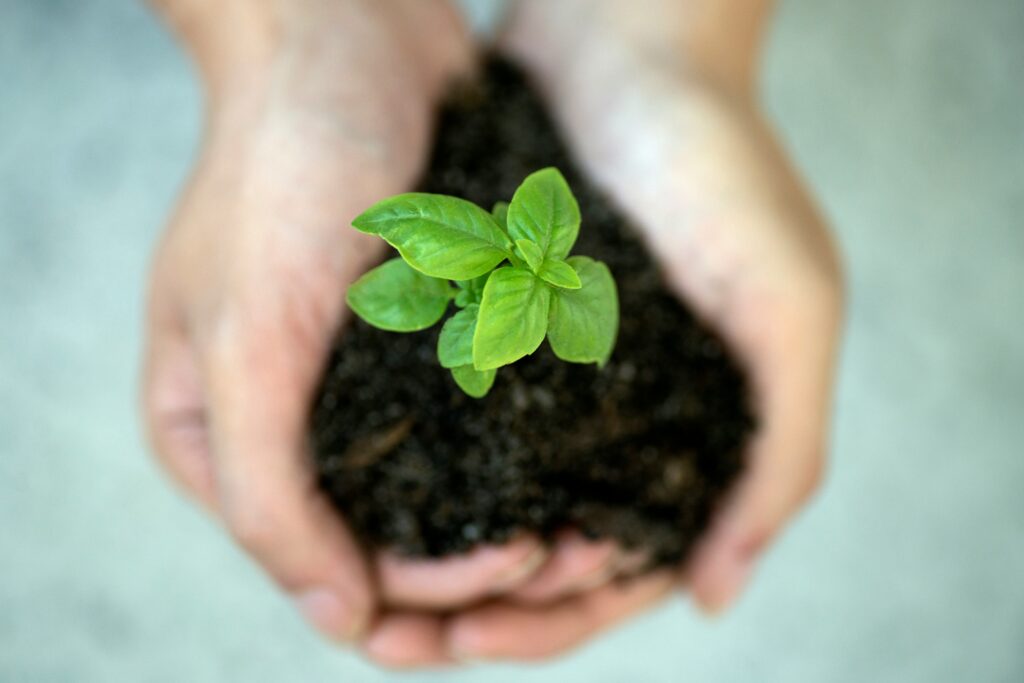
Discover practical solutions for environment and sustainability in 2026. Learn effective ways to reduce pollution,conserve energy, and protect our planet.
Environment and Sustainability: A Complete Guide to Protecting Our Planet in 2026
The environment supports every part of human life, from the air we breathe and the water we drink to the food we eat and the resources that power our homes. Yet, pollution, climate change, deforestation, plastic waste, and biodiversity loss continue to threaten the natural systems on which we depend.
The good news is that environmental damage is not inevitable. Cleaner energy, responsible consumption, effective environmental policies, and everyday sustainable habits can help protect ecosystems and improve quality of life.
Environment and sustainability are closely connected because both focus on maintaining a healthy relationship between people and the natural world. Governments, businesses, communities, and individuals all have a role in making that relationship more responsible.
In this guide, you will learn what environmental sustainability means, why it matters, which major environmental challenges the world faces, and what practical steps can help create a cleaner and more sustainable future.
What Is Environment and Sustainability?
Understanding the Environment
The environment includes all the natural and human-made surroundings that influence life. It encompasses air, water, soil, forests, oceans, wildlife, plants, and the communities people build.
These elements are interconnected. Healthy soil supports agriculture, forests absorb carbon dioxide and provide habitats, and clean water sustains people, animals, and plants. When one part of an ecosystem is damaged, other parts may suffer too.
For example, cutting down forests can increase soil erosion, reduce wildlife habitats, disrupt local water cycles, and release stored carbon into the atmosphere.
What Is Environmental Sustainability?
Environmental sustainability means using natural resources responsibly while protecting ecosystems so that they can continue supporting life over the long term.
It involves reducing pollution, limiting waste, protecting biodiversity, conserving water, and using energy more efficiently.
Three related concepts are worth understanding:
- Environmental protection: Preventing or reducing damage to air, water, land, wildlife, and ecosystems.
- Sustainability: Meeting present needs without undermining the ability of future generations to meet their own needs.
- Sustainable development: Improving living standards and economic opportunities while balancing environmental protection and social well-being.
These ideas work together. A sustainable society needs a healthy environment, fair opportunities, and economic systems that do not depend on endlessly consuming limited resources. 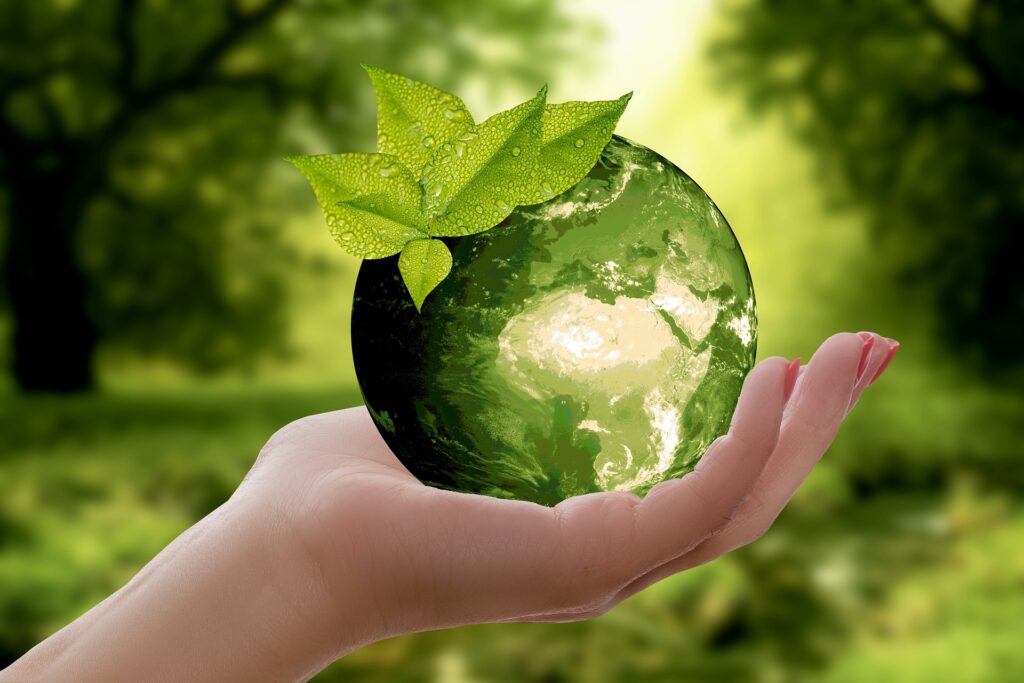
Why Is Environmental Sustainability Important?
Environmental sustainability is essential because human health, food production, economic stability, and social well-being depend on functioning natural systems.
Protecting Human Health
Polluted air and contaminated water can cause serious health problems. Poor waste management also creates conditions that allow harmful pollutants and disease-carrying pests to spread.
The World Health Organization reported that 99% of the global population lived in places where its air quality guideline levels were not met in 2019. The organisation also estimated that outdoor air pollution caused 4.2 million premature deaths that year.
These figures demonstrate why pollution prevention is a public health priority, not simply an environmental concern. Source: WHO air pollution factsheet.
Conserving Natural Resources
Freshwater, fertile soil, forests, minerals, and fossil fuels are not unlimited. Even renewable resources can become depleted or damaged when they are used faster than nature can replenish them.
Water conservation, sustainable agriculture, responsible forestry, and energy efficiency help reduce pressure on these resources.
Protecting Biodiversity
Biodiversity refers to the variety of living organisms, including animals, plants, fungi, and microorganisms. Healthy biodiversity supports pollination, soil fertility, food systems, and ecosystem resilience.
Protecting habitats and preventing illegal wildlife trade help maintain the ecological relationships that sustain life.
Supporting Future Generations
Environmental sustainability encourages people to consider the long-term consequences of today’s decisions. Responsible development can support jobs, cleaner communities, reliable energy, and healthier living conditions without unnecessarily damaging the natural world. 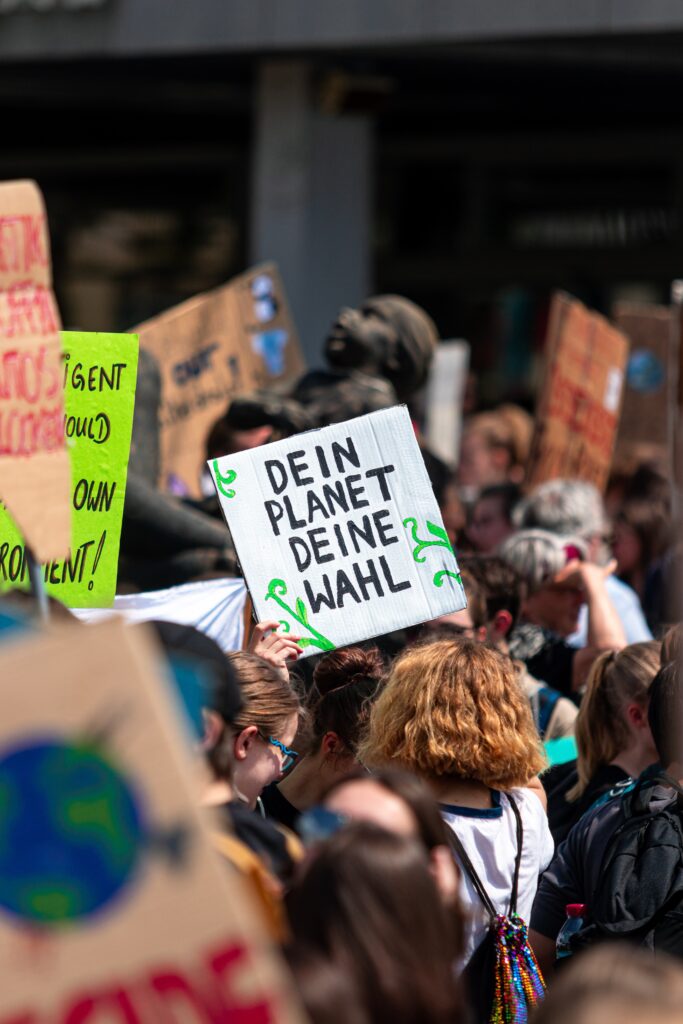
Major Environmental Problems Facing the World Today
1. Climate Change and Global Warming
Climate change refers to long-term changes in temperatures and weather patterns. Although Earth’s climate changes naturally, human activities—particularly burning coal, oil, and natural gas—are the main drivers of the recent global warming trend.
The Intergovernmental Panel on Climate Change (IPCC) concluded that human activities had caused global surface temperatures to reach approximately 1.1°C above the 1850–1900 level during 2011–2020.
The consequences include rising sea levels, more intense heat extremes, changing rainfall patterns, and increasing risks to agriculture, infrastructure, and human health.
Practical solutions include:
- Replacing fossil-fuel electricity with renewable energy where feasible.
- Improving building insulation and energy efficiency.
- Expanding reliable public transport and walking and cycling infrastructure.
- Protecting forests, wetlands, and other carbon-rich ecosystems.
- Reducing methane emissions and unnecessary energy consumption.
Countries must also invest in climate adaptation, such as flood protection, heat action plans, drought-resistant crops, and early-warning systems.
Read the IPCC Sixth Assessment Report Synthesis Report for scientific evidence about climate risks and solutions. 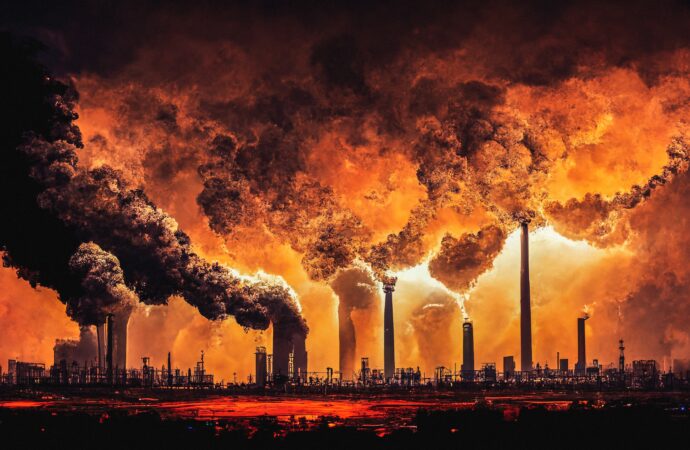
2. Air and Water Pollution
Air pollution comes from sources such as vehicle exhaust, industrial emissions, power plants, construction dust, and the burning of waste. It can harm the lungs and cardiovascular system and reduce overall quality of life.
Water pollution occurs when sewage, agricultural chemicals, industrial waste, plastics, and other contaminants enter rivers, lakes, groundwater, and oceans.
In densely populated cities, poor waste collection and vehicle emissions can contribute to unhealthy air. In agricultural regions, excessive fertiliser use can contaminate waterways.
Solutions: Governments can enforce emissions standards, improve public transport, treat wastewater, monitor industrial discharges, and invest in cleaner cooking and electricity. Individuals can avoid burning rubbish and dispose of household chemicals responsibly. 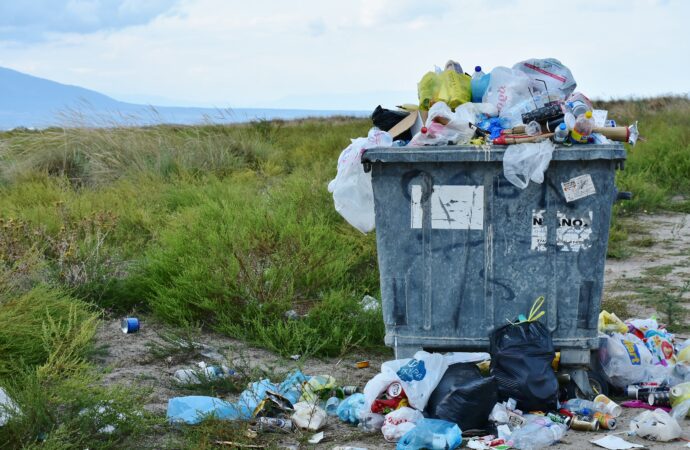
3. Plastic Waste and Improper Waste Disposal
Plastic packaging is useful, but disposable products and poorly managed waste can contaminate land and waterways. Larger plastic items may break into microplastics, while discarded fishing equipment can injure marine animals.
Recycling helps, but it cannot solve the entire problem. Some plastics are difficult to recycle, and collection systems differ widely between countries.
Solutions include:
- Carrying reusable shopping bags and water bottles.
- Choosing products with less unnecessary packaging.
- Reusing containers where safe and practical.
- Separating recyclable waste according to local rules.
- Supporting effective collection and recycling systems.
- Encouraging businesses to design products that last longer.
The most effective approach combines waste prevention, reuse, improved product design, and recycling infrastructure.
4. Deforestation and Habitat Destruction
Forests are cleared for agriculture, logging, mining, roads, and expanding settlements. When natural habitats disappear, wildlife loses food, shelter, and breeding grounds.
Deforestation can also increase erosion, disrupt water cycles, and release carbon stored in trees and soils.
Solutions include protecting existing forests, restoring degraded land with appropriate native species, improving agricultural practices, and enforcing laws against illegal logging.
Tree planting can be valuable, but it should not replace the protection of mature forests. Existing ecosystems often provide benefits that newly planted trees cannot quickly reproduce. 
5. Loss of Biodiversity
Species face growing pressure from habitat destruction, pollution, invasive species, overexploitation, and climate change.
When populations decline, ecosystems may become less resilient. The loss of pollinators, for example, can threaten agricultural production and wild plant reproduction.
Communities can help by protecting natural habitats, reducing pesticide misuse, restoring wetlands, supporting conservation organisations, and avoiding products linked to illegal wildlife exploitation.
6. Water Scarcity and Overuse of Natural Resources
Water scarcity affects communities when freshwater supplies cannot meet household, agricultural, and industrial needs. Drought, groundwater overuse, pollution, population growth, and inefficient irrigation can all contribute.
In water-stressed regions, including parts of Pakistan, farmers and households may face pressure on already limited supplies.
Practical solutions include repairing leaking pipes, harvesting rainwater where appropriate, improving irrigation efficiency, protecting watersheds, and treating wastewater for suitable reuse.
Long-term conservation also requires better water management, reliable infrastructure, and planning that accounts for local climate and population needs.
Practical Ways to Protect the Environment
Environmental protection does not require every person to change their entire lifestyle overnight. Consistent, realistic habits can reduce waste and resource use, especially when supported by effective public services and environmental policies.
1. Follow the Reduce, Reuse, Recycle Principle
The three Rs provide a simple starting point for sustainable living.
- Reduce: Buy only what you need and avoid unnecessary packaging.
- Reuse: Repair, refill, donate, or repurpose usable items.
- Recycle: Separate accepted materials and use local recycling facilities.
Reducing and reusing often come first because they can prevent waste before it is created. 
2. Save Electricity at Home
Energy efficiency can reduce electricity costs and environmental impacts.
Switch off unused lights, choose efficient appliances, use natural daylight when practical, and avoid unnecessary heating or cooling. Where affordable and suitable, consider solar power or other cleaner electricity options.
Businesses can also reduce energy use through efficient lighting, equipment maintenance, and better building design.
3. Conserve Water
Small changes can help reduce unnecessary water consumption.
- Repair leaking taps and pipes.
- Turn off taps while brushing your teeth.
- Use washing machines with full loads where practical.
- Water gardens during cooler parts of the day.
- Choose native plants suited to local rainfall.
- Avoid washing cars or outdoor areas with excessive water.
The best conservation measures depend on local conditions. Rainwater harvesting, for example, is useful in some places but requires appropriate storage, maintenance, and attention to water quality.
4.Save Electricity at Home
Reusable bags, cups, food containers, and bottles can reduce disposable waste when they are used repeatedly and cleaned properly.
However, reusable products also require materials and energy to manufacture. Their environmental benefit depends on factors such as durability, frequency of use, and the alternatives available.
Choose practical products that last rather than repeatedly purchasing new items marketed as sustainable.
5. Choose Cleaner Transportation
Walking, cycling, public transport, and carpooling can reduce fuel consumption and emissions when they replace individual car journeys.
Electric vehicles can reduce tailpipe pollution and may lower lifecycle greenhouse gas emissions, depending partly on how electricity is generated and how vehicles and batteries are manufactured.
Transport choices should reflect safety, accessibility, distance, and local infrastructure. In some communities, reliable public transport is more important than asking individuals to make choices they cannot realistically access. 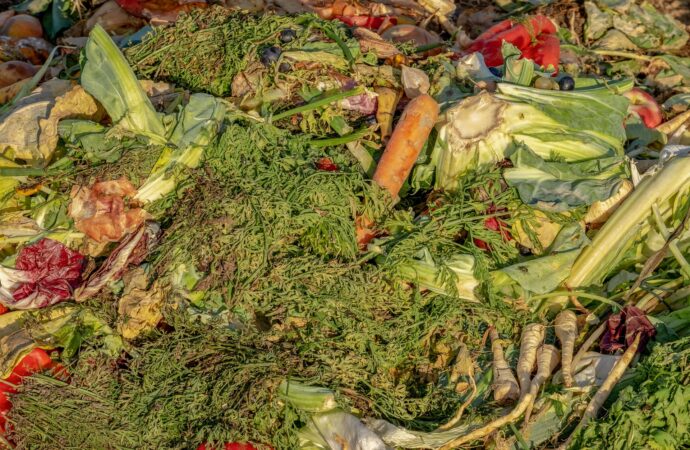
6. Reduce Food Waste
Food waste wastes the water, land, energy, labour, and transport used to produce food.
Plan meals, store ingredients correctly, understand food labels, and use leftovers safely. Compost suitable food scraps where facilities are available.
A more sustainable diet can also include a variety of plant-based foods, such as beans, lentils, vegetables, fruit, and whole grains, while accounting for local nutrition needs and food availability.
7. Protect Trees and Native Plants
Planting suitable native species can support local wildlife, improve shade, and help restore degraded land.
Before planting, consider the species’ water requirements, mature size, local ecosystem, and potential to become invasive. Protecting existing trees and natural habitats is often just as important as planting new ones.
8. Support Responsible Businesses
Consumers can favour durable, repairable products and companies that provide clear evidence for their environmental claims.
Look for transparent information about materials, packaging, sourcing, product lifespan, and waste management. Be cautious of vague labels such as “100% green” when no credible evidence is provided.
Individual purchasing choices matter, but businesses and regulators must also improve production standards and make responsible options accessible and affordable.
The Role of Renewable Energy and Sustainable Technology
Renewable energy is a central part of the transition towards a lower-emissions economy. Solar, wind, hydropower, and geothermal energy can generate electricity without the ongoing combustion of fossil fuels.
Solar and Wind Power
Solar panels convert sunlight into electricity, while wind turbines generate electricity from moving air. Both technologies can reduce dependence on coal and gas when integrated into suitable energy systems.
The International Renewable Energy Agency reported that, in 2024, 91% of newly commissioned utility-scale renewable power capacity delivered electricity at a lower cost than the cheapest new fossil-fuel alternative, measured on a levelised-cost basis.
This finding illustrates the growing competitiveness of renewables, although project costs vary by country, financing conditions, grid infrastructure, and location. Source: IRENA, Renewable Power Generation Costs in 2024.
Energy Efficiency and Storage
Efficient appliances, modern power grids, batteries, and improved building design can reduce energy waste and help manage fluctuations in solar and wind generation.
However, batteries require minerals and energy to manufacture, and their environmental impact depends on mining practices, production methods, lifespan, and recycling.
Sustainable Agriculture and Waste Technology
Precision irrigation, soil conservation, composting, anaerobic digestion, and improved waste sorting can help reduce environmental pressure.
Technology alone is not enough. Successful solutions also require maintenance, trained workers, sound regulations, and access to finance.
How Governments, Businesses, and Communities Can Support Sustainability
Government Policies and Environmental Protection
Governments can establish air and water quality standards, protect endangered habitats, improve waste collection, and encourage renewable energy through appropriate policies.
Environmental regulations are particularly important for problems that individuals cannot solve independently, such as industrial pollution, transport emissions, and large-scale deforestation.
Public investment in reliable electricity, clean water, sanitation, and mass transit can also improve environmental and social outcomes.
Businesses and Sustainable Development
Businesses influence resource consumption through their supply chains, manufacturing processes, packaging, and product design.
They can improve sustainability by measuring emissions, reducing material waste, sourcing responsibly, improving energy efficiency, and designing products for repair and reuse.
Transparent reporting matters because environmental claims should be supported by evidence rather than marketing alone.
Communities, Schools, and Families
Local initiatives can make environmental action practical and inclusive.
Communities can organise clean-up activities, establish recycling programmes, protect local green spaces, and promote water conservation. Schools can teach students about ecosystems, waste prevention, and climate science through practical projects.
International examples offer useful lessons:
- Costa Rica: Forest conservation and ecosystem restoration programmes demonstrate how policy and conservation incentives can support natural habitats.
- India: Solar power expansion illustrates the opportunities and infrastructure challenges involved in increasing renewable electricity.
- Denmark: Wind energy development demonstrates the role of long-term planning and electricity-system integration.
- Pakistan: Community tree planting, flood-resilience projects, improved irrigation, and better urban waste management can support environmental protection when programmes are designed for local needs.
These examples are not universal templates. Effective solutions depend on geography, funding, governance, community participation, and local environmental priorities.
The Future of Environment and Sustainability
The future of environmental sustainability will depend on how quickly societies turn scientific knowledge into effective action.
The Circular Economy
A circular economy aims to keep products and materials in use for longer through durable design, repair, reuse, refurbishment, and recycling.
Unlike the traditional take-make-dispose model, this approach seeks to reduce waste and dependence on newly extracted resources.
Sustainable Cities
Cities can reduce environmental impacts through efficient public transport, walkable neighbourhoods, energy-efficient buildings, urban trees, reliable waste collection, and improved water management.
Well-planned green spaces can also provide shade and recreational opportunities while supporting biodiversity. 
Green Innovation and International Cooperation
Advances in renewable energy, energy storage, cleaner industrial processes, sustainable materials, and environmental monitoring can help address environmental challenges.
Nevertheless, new technologies need careful assessment. Their full impacts may include mineral extraction, land use, manufacturing emissions, and disposal.
International cooperation is equally important because climate change, ocean pollution, biodiversity loss, and resource supply chains cross national borders.
The United Nations Environment Programme’s Global Environment Outlook 7, published in December 2025, highlights the economic and social benefits of investing in a stable climate, healthy ecosystems, and pollution prevention. Its broader message is that environmental protection and human prosperity can reinforce each other when decisions account for long-term costs and benefits.
Ultimately, progress requires measurable goals, reliable environmental data, public accountability, and cooperation between countries and communities.
Frequently Asked Questions About Environment and Sustainability
1. What Is Environmental Sustainability?
Environmental sustainability means using natural resources responsibly while protecting ecosystems and biodiversity so that they can continue supporting present and future generations.
2. Why Is Environmental Sustainability Important?
It helps protect human health, conserve natural resources, reduce pollution, address climate change, preserve biodiversity, and support long-term economic and social well-being.
3. What Are Five Ways to Protect the Environment?
Five practical actions are reducing waste, saving electricity, conserving water, choosing lower-emission transportation, and protecting trees and natural habitats.
4. How Can Individuals Live More Sustainably?
Individuals can buy fewer unnecessary products, reuse and repair belongings, reduce food waste, conserve energy and water, use public transport where practical, and support credible environmental initiatives.
5. What Is the Difference Between Sustainability and Environmental Protection?
Environmental protection focuses on preventing or reducing harm to nature. Sustainability is broader: it considers how environmental health, social well-being, and economic activity can be maintained over the long term.
Conclusion: Building a More Sustainable Future Together
Environment and sustainability are fundamental to the future of human health, economic development, and life on Earth. Climate change, pollution, plastic waste, deforestation, and biodiversity loss are serious challenges, but practical solutions already exist.
Individuals can reduce waste, conserve water, save energy, and make thoughtful purchasing decisions. Businesses can improve production and supply chains, while governments can strengthen environmental policies and invest in clean infrastructure.
No single action will solve every environmental problem. Lasting progress comes from combining responsible personal habits with systemic changes, scientific evidence, effective policies, and international cooperation.
Start with one practical improvement today, whether it is reducing food waste, carrying a reusable bag, conserving water, or supporting a local conservation project. Then build on that progress.
Protecting the planet is a shared responsibility, and a more sustainable future begins with the choices we make together.
Recommended Internal Links
For stronger topical coverage and a useful reader journey, link this article to related guides on your website:
- How to Reduce Plastic Waste in Everyday Life
- Simple Ways to Save Water at Home
- Renewable Energy: Types, Benefits, and Challenges
- Climate Change: Causes, Effects, and Solutions
- Sustainable Living Tips for Beginners
Trusted External Resources
- United Nations Environment Programme (UNEP) — Environmental assessments, pollution prevention, and sustainability.
- Intergovernmental Panel on Climate Change (IPCC) — Scientific assessments of climate change, risks, and responses.
- World Health Organization (WHO) — Evidence about air pollution and environmental health.
- International Renewable Energy Agency (IRENA) — Renewable energy data, technology, and cost assessments.
- United Nations Sustainable Development Goals — Global goals covering climate, clean energy, water, responsible consumption, and biodiversity.






















Leave a Comment
Your email address will not be published. Required fields are marked with *