
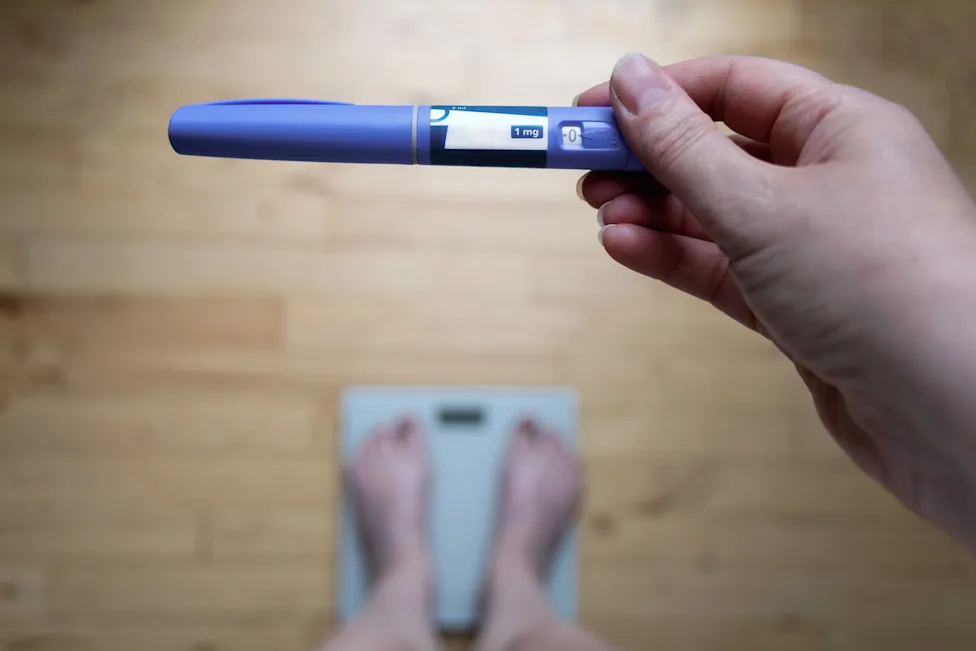
“Ozempic feet” refers to changes in the appearance and comfort of the feet that some people experience after significant weight loss with GLP-1 medications. As body fat decreases, the natural cushioning in the feet may also diminish, leading to discomfort or changes in shoe fit. While this side effect can be surprising, it is usually manageable with early attention, supportive footwear, and guidance from your healthcare provider.
Ozempic Feet Explained: The GLP-1 Side Effect Doctors Are Warning About and the 8-Hour Rule
First it was “Ozempic face.” Then “Ozempic butt.” Now, as millions of people continue using GLP-1 medications like Ozempic, Wegovy, Mounjaro, and Zepbound for weight loss, doctors and podiatrists are flagging a new pattern: “Ozempic feet.”
It isn’t an official, FDA-listed side effect of any GLP-1 drug. But it’s becoming common enough in clinical practice that orthopedic specialists and podiatrists are speaking out about what’s actually happening, who’s most at risk, and when foot changes are worth a real conversation with your doctor rather than just a new pair of shoes.
 What Is “Ozempic Feet”?
“Ozempic feet” is the informal, patient-coined term for a cluster of changes some people notice in their feet during rapid, medication-driven weight loss. It’s not a medical diagnosis it’s a clinical observation pattern that’s shown up often enough for doctors to start naming it.
The changes generally fall into two categories:
Aesthetic changes: The skin on top of the foot can start to look loose, wrinkled, or “deflated.” Veins and tendons become more visible as the fat that used to cushion and cover them disappears.
Functional changes: Aching or burning in the ball of the foot, new heel pain, and a general feeling that the foot has lost its natural cushioning when walking or standing on hard surfaces.
Some users also report a genuine change in shoe size — going down a full size, or from a wide foot to a narrow one, as the padding that shaped the foot’s volume shrinks along with the rest of the body.
Why Does This Happen?
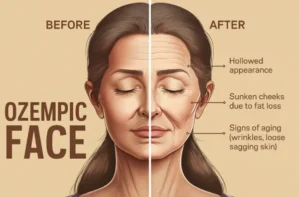 The short explanation is fat pad atrophy and it’s the same underlying process behind “Ozempic face.”
Feet naturally store small pads of fat under the heel and the ball of the foot. These pads act like built-in cushioning, spreading out pressure and protecting the bones and tissue underneath every time you stand or take a step. That fat doesn’t stay put during rapid weight loss; it shrinks along with fat everywhere else in the body, whether or not that’s where you wanted to lose it.
There’s a second factor that makes GLP-1-related weight loss different from slower, more gradual weight loss: lean mass. A systematic review and meta-analysis published in the journal Obesity in 2025 found that lean mass muscle, not just fat made up roughly 30% of the total weight lost during GLP-1 therapy, with some studies putting that figure as high as 40%. For the feet specifically, that matters because tiny intrinsic muscles help support the arch and stabilize the foot with every step. As those muscles shrink too, foot mechanics can shift arches may flatten differently, gait can change, and the added strain sometimes affects the calf and Achilles tendon as well.
Skin plays a role too. When weight loss happens quickly, skin doesn’t always have time to adjust and tighten at the same pace, which is part of why the tops of the feet in particular can look loose or sagging rather than simply smaller.
Who’s Most at Risk
Foot changes aren’t something every GLP-1 user will notice, and severity varies widely. Doctors say the people who tend to report the most pronounced symptoms typically share a few things in common: significant total weight loss, a rapid pace of loss, and in some cases pre-existing foot or nerve issues that the medication’s effects are now making more noticeable.
This is especially relevant for anyone using a GLP-1 medication to manage type 2 diabetes. Diabetes already raises the risk of peripheral neuropathy nerve damage that can cause numbness, tingling, or coldness in the feet and rapid weight loss combined with shoes that no longer fit properly can create a real risk of pressure sores or wounds that heal slowly. For this group specifically, foot changes aren’t just a cosmetic concern.
 When to See a Doctor
Most of what’s described as “Ozempic feet” is a cosmetic and comfort issue rather than a medical emergency. But there are specific signs that warrant a call to your doctor or a podiatrist rather than waiting it out:
- Persistent numbness, tingling, or a “pins and needles” feeling
- New coldness in the feet that doesn’t resolve
- Pain that’s getting worse rather than settling
- Any sore, blister, or wound on the foot that isn’t healing normally, particularly if you have diabetes
- Sudden changes in gait or balance
Because the relationship between GLP-1 medications and nerve-related symptoms is still being actively studied, doctors generally recommend flagging any of the above early rather than assuming it will resolve on its own.
What You Can Do
None of the following replaces medical advice but it reflects the general, non-prescriptive guidance podiatrists commonly give GLP-1 patients:
Get your feet remeasured. After significant weight loss, both length and especially width can change more than people expect. Shoes that fit six months ago may no longer fit properly, and ill-fitting shoes make every other symptom worse.
Add cushioning where the natural padding has thinned. Well-cushioned shoes, and off-the-shelf supportive insoles, are a low-cost first step many podiatrists suggest before considering custom orthotics.
Track your symptoms. If you’re noticing changes, keeping a simple record of when symptoms happen and how severe they are gives your doctor much more useful information than trying to describe it from memory at an appointment months later.
Bring it up at your next appointment, don’t wait for it to become urgent. Because “Ozempic feet” isn’t an officially recognized side effect, some patients feel unsure whether it’s worth mentioning. Doctors say it’s always worth raising, especially if you have diabetes or any existing foot conditions.
Read more on styleoverloaded.com:
- The Best Fitness Trackers of 2026: A Real-World Buying Guide for Every Lifestyle
- PCOS Diet Plan for Pakistani Women 2026 | Complete Guide With Desi Meal Plan
Frequently Asked Questions
What is Ozempic feet?
An informal term describing foot changes including thinner-looking, more bony or “deflated” feet, loose skin, and sometimes pain — that some people notice during rapid GLP-1-related weight loss.
Is Ozempic feet a real medical condition?
It’s not an officially listed side effect of Ozempic, Wegovy, or other GLP-1 drugs, but it’s a widely reported clinical pattern that podiatrists and orthopedic specialists are increasingly discussing.
Does Wegovy or Mounjaro cause the same thing?
Yes this, isn’t specific to one brand. Any GLP-1 medication that produces rapid, significant weight loss, including Wegovy, Mounjaro, and Zepbound, can potentially lead to similar foot changes, since the underlying cause is the pace and amount of weight loss rather than the specific drug.
Can Ozempic feet be prevented?
There’s no guaranteed way to prevent it, since it’s tied to how quickly and how much weight someone loses. Supportive, well-fitting footwear and staying ahead of any foot pain with your doctor can help manage symptoms early.
Does shoe size actually change permanently?
For some people, yes significant fat pad loss can permanently reduce foot volume, which is why many people find they need a different shoe size after major weight loss, similar to how ring size can change with significant weight loss.
Should I stop my medication if I notice foot changes?
Don’t make medication changes without talking to your prescribing doctor first. Foot symptoms should be reported and evaluated, but the decision about your treatment plan belongs with your healthcare provider.
The Bottom Line
Whether you’re exploring Ozempic, GLP-1 medications such as semaglutide, Wegovy, or Mounjaro, or considering the 8-hour rule through time-restricted eating and intermittent fasting, lasting success depends on evidence-based habits rather than quick fixes. Recent medical research suggests that combining a balanced diet, proper meal timing, regular physical activity, and professional guidance can support healthy weight loss, improve metabolic health, and promote long-term weight management. For evidence-based nutrition guidance, refer to the Harvard T.H. Chan School of Public Health (https://www.hsph.harvard.edu/nutritionsource/) and the National Institute of Diabetes and Digestive and Kidney Diseases (NIDDK) (https://www.niddk.nih.gov/health-information/weight-management).
While some people may experience Ozempic side effects, including Ozempic feet or foot discomfort after significant weight loss, these changes are often manageable with early attention and supportive footwear. Sustainable body fat loss, obesity treatment, and overall wellness require consistency, realistic expectations, and lifestyle changes that fit your daily routine. Before starting or changing any weight loss medication, fasting schedule, or nutrition plan, consult your healthcare provider to ensure the approach is safe, effective, and tailored to your individual health needs.
This article is for informational purposes only and isn’t a substitute for professional medical advice. If you’re experiencing foot pain, numbness, or other symptoms while taking a GLP-1 medication, talk to your doctor or a podiatrist about your specific situation.
















Leave a Comment
Your email address will not be published. Required fields are marked with *